Best Places to Live in South Carolina: Which Area Fits You Best?
You know South Carolina belongs on your shortlist, but you have no local knowledge to separate the hype from reality. Every coastal town markets itself as paradise. Every suburb claims top schools.
Without firsthand context, choosing between Charleston’s historic charm, Greenville’s walkable downtown, and a quiet Midlands neighborhood feels like guessing with your savings on the line. The real tension is not finding another list of the best places to live in South Carolina. It is figuring out which corner of the state actually fits your daily life, your budget, and your family’s priorities.
SettleSavvy helps you cut through that uncertainty by turning neighborhood-level data (crime rates, school ratings, commute times, demographics, and more) into a free, personalized map you can build in about two minutes.
Instead of scrolling through dozens of tabs and conflicting rankings, you get a visual picture of which South Carolina neighborhoods match what matters most to you. Build your free neighborhood map and see how your priorities line up with real data before you commit.
In this guide, you will learn how to compare South Carolina cities by the factors that actually shape your quality of life: schools, safety, affordability, and community feel.
You will see how coastal, Upstate, and Midlands options stack up for different buyer profiles, from military families to remote workers to first-time buyers. By the end, you will have a clear framework for narrowing your search and the confidence to take your next step.
Start with Your Own Filters, Not the Rankings
The “best” city in South Carolina depends entirely on what you are optimizing for, and two families with similar budgets can land in completely different places based on their priorities.
A military household rotating into Shaw Air Force Base needs speed and affordability; a remote worker leaving New York wants lifestyle and space. Starting with your personal filters saves you weeks of scattered research.
Compare Schools, Commute, Crime, and Community Feel First
School ratings and crime data are the two factors that most often change a buyer’s shortlist. A neighborhood with a 22-minute average commute and strong elementary schools will appeal to a relocating family more than a trendy downtown district.
That choice becomes even clearer when the downtown area has a higher property crime rate, even if the listing looks better on paper.
Think of it this way: a low crime rate means something different to a single remote worker than it does to a parent walking kids to a bus stop.
When you compare the safest neighborhoods in cities you already know, you start to see patterns in how safety data connects to lifestyle fit. The same logic applies across South Carolina’s very different regions.
Community feel is harder to quantify but just as real. A town with a strong faith-based population and Friday-night football culture will suit some families perfectly and frustrate others. Checking demographic data alongside crime and school numbers helps you spot mismatches before a visit.
How Budget Changes Your Options Across Coastal and Inland Areas
Your price range reshapes the entire map. According to South Carolina city rankings, Mount Pleasant’s median home value sits near $675,537, while Florence comes in around $192,970. That gap is not just about square footage. It reflects different job markets, commute corridors, and daily costs.
| Area | Median Home Value | Median Rent | Median Household Income |
|---|---|---|---|
| Mount Pleasant | $675,537 | $1,882 | $122,539 |
| Greenville | $461,274 | $1,234 | $76,686 |
| Rock Hill | $321,925 | $1,136 | $66,679 |
| Columbia | $265,813 | $1,022 | $57,568 |
| Florence | $192,970 | $828 | $61,049 |
| Sumter | $207,753 | $732 | $57,092 |
Coastal living commands a premium. Inland and Upstate cities offer lower entry points with trade-offs in beach access and sometimes nightlife. Knowing your monthly ceiling before you start comparing neighborhoods prevents emotional overreach.
Why Remote Workers, Military Families, and First-Time Buyers Need Different Filters
A remote worker choosing between Greenville and Hilton Head Island is weighing walkability, internet reliability, and lifestyle amenities. A military family near Joint Base Charleston needs proximity to base, affordable off-base housing, and school stability for kids who may move again in three years.
First-time buyers face a different pressure: information overload. Too many tabs, too many opinions, and no framework for deciding what matters most. If that sounds familiar, filtering by two or three non-negotiable factors (school quality, monthly cost, commute to a specific job site) is the fastest way to shrink the list.
The question worth asking next is where, exactly, those filters lead you across South Carolina’s very different coastal and inland options.
Coastal Areas for Beach Access, Charm, and Higher Price Points
Living near the Atlantic shapes everything from your insurance bill to your weekend routine. South Carolina’s coastal cities share warm weather and salt air, but their price points, demographics, and day-to-day feel vary more than most newcomers expect.
Charleston and Mount Pleasant for Historic Energy and Everyday Amenities
Charleston consistently ranks among the top cities in South Carolina for a reason. Its historic downtown, strong restaurant scene, and growing tech sector create an energy that attracts young professionals and established families alike.
The median home value of roughly $488,936 reflects that demand, and Charleston real estate ranks among the most expensive in the state. A 21-minute average commute keeps daily logistics manageable for most workers.
Mount Pleasant, just across the Ravenel Bridge, earns the top spot in U.S. News’ South Carolina rankings. Its schools pull families from across the region. But at a median home value near $675,537, it is firmly a higher-budget option.
If your priority list starts with school quality and neighborhood safety, Mount Pleasant delivers. If your budget is tighter, the same metro offers options in Summerville and North Charleston at lower price points.
Hilton Head Island and Bluffton for Lowcountry Living and Retirement Appeal
Hilton Head Island attracts retirees and second-home buyers with its golf courses, healthcare access, and slower pace. The median household income sits around $103,517, and home values average near $693,479. It is a premium market. The lifestyle reflects that premium.
Bluffton, just off-island, offers a more affordable entry into the Lowcountry. Newer developments and growing retail give it a different energy than Hilton Head’s resort-community feel. Families who want Lowcountry character without island-level pricing often land here.
The nearby community of Okatie has seen significant new construction. A large share of recently built homes appeals to buyers who want modern layouts and lower maintenance.
The trade-off in both areas is distance from major employment centers. If you work remotely, that matters less. If you need to commute to Charleston or Savannah regularly, factor in the drive time.
Myrtle Beach and Summerville for Value, Access, and Different Pace
Myrtle Beach draws around 40,535 year-round residents, with a median home value near $410,799. The tourism economy creates seasonal rhythms that shape everything from traffic patterns to job availability.
If you enjoy beach access and do not mind sharing it with vacationers, Myrtle Beach delivers on lifestyle at a lower price point than Charleston or Hilton Head.
Summerville offers a suburban alternative about 25 miles northwest of Charleston. It lands on many family shortlists because of its lower housing costs, growing school options, and access to Charleston’s job market without Charleston’s price tag. It is one of the fastest-growing communities in the Lowcountry.
- Myrtle Beach works well if you want beach proximity, lower cost of living, and a tourism-flavored economy.
- Summerville fits families who want Charleston-area access with more space and a quieter neighborhood feel.
- Hilton Head/Bluffton suits retirees, remote workers, and buyers seeking Lowcountry charm at varying price points.
The coast comes with higher insurance costs and flood considerations. This is a topic worth examining closely before you sign anything. But first, the Upstate and Midlands tell a very different story about what living in South Carolina can look like.
Upstate and Midlands Options for Careers, Affordability, and Family Life
Some of the best values and fastest job growth in South Carolina sit miles from the nearest beach.
The Upstate and Midlands offer a different lifestyle equation: shorter commutes, lower housing costs, and access to major employers, especially if you are willing to trade ocean views for mountain proximity or college-town energy.
Greenville for Walkability, Jobs, and Mid-Size City Balance
Falls Park on the Reedy anchors a downtown that feels more like a city twice Greenville’s size. The pedestrian bridge, local restaurants, and Main Street retail create a walkable core that draws remote workers and young families looking for culture without big-city stress.
Greenville’s economy has also seen consistent employment growth across manufacturing, healthcare, and professional services.
At a median home value of $461,274 and a 17-minute average commute, Greenville hits a sweet spot for buyers who want urban amenities and reasonable costs. Its median household income of $76,686 reflects a solid middle-class base.
The Reedy River trail system, weekend farmers’ markets, and a growing arts scene add quality-of-life depth that generic rankings do not capture.
If you are comparing school quality across unfamiliar cities, Greenville’s mix of public, charter, and private school options gives families more flexibility than many comparably sized cities in the South.
Rock Hill and Tega Cay for Charlotte-Area Access
Rock Hill and Tega Cay sit just south of the North Carolina border, giving residents direct access to Charlotte’s job market without Charlotte’s cost of living. Rock Hill’s median home value of about $321,925 and median income of $66,679 make it one of the more affordable gateways to a major metro in the Southeast.
Tega Cay, a smaller lakefront community nearby, offers a tighter neighborhood feel with access to Lake Wylie. Families drawn to water recreation, newer subdivisions, and a suburban pace often compare the two.
The trade-off is that your daily commute into Charlotte can stretch past 30 minutes depending on traffic and which part of the metro you are heading to.
For buyers weighing Charlotte-adjacent living in South Carolina, the question is whether you value lake access and a quieter zip code (Tega Cay) or a slightly larger town with more retail and restaurant options (Rock Hill).
Columbia, Sumter, Clemson, and Spartanburg for Different Budget and Lifestyle Priorities
Columbia anchors the Midlands as the state capital and home to the University of South Carolina. With a population near 144,788 and 85 distinct neighborhoods, it offers variety that smaller cities cannot match.
Median home values around $265,813 and a 16-minute average commute make it accessible for first-time buyers and state-government employees.
Sumter, about 45 miles east of Columbia, serves a different profile entirely. Its proximity to Shaw Air Force Base makes it a natural landing spot for military families. Median rent of just $732 and home values near $207,753 keep monthly costs low, which matters when you are on a military housing allowance.
| City | Median Home Value | Average Commute | Key Draw |
|---|---|---|---|
| Columbia | $265,813 | 16 min | State capital, university town, diverse neighborhoods |
| Sumter | $207,753 | 16 min | Military base proximity, low cost of living |
| Clemson | Varies | Varies | Clemson University, college-town energy, Upstate access |
| Spartanburg | $223,913 | 17 min | Affordable entry, growing arts scene, Upstate location |
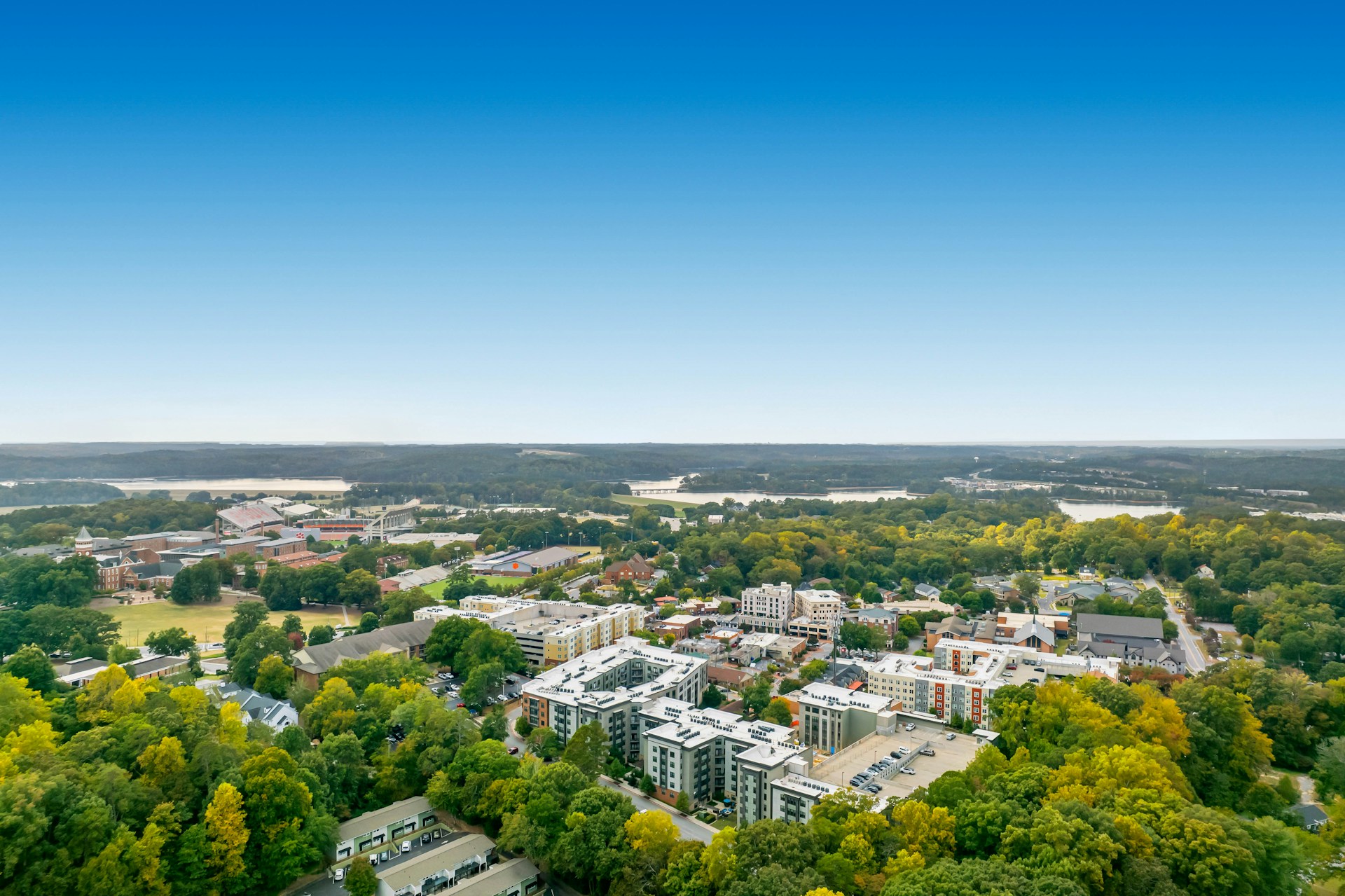
Clemson brings a college-town atmosphere driven by Clemson University. It appeals to faculty, staff, and remote workers who enjoy a tight-knit community with Upstate access.
Spartanburg, with a median home value of $223,913, offers one of the most affordable entry points in the Upstate and has been investing in downtown revitalization.
Each of these cities serves a different lifestyle. The next step is seeing how they compare side by side based on your specific buyer profile.
How the Best Places to Live in South Carolina Compare by Buyer Profile
The same city can be a perfect fit for one household and a poor match for another. Comparing places to live in South Carolina by buyer profile, rather than by a single score, helps you filter out options that look good on paper but do not align with your daily reality.
Best Fits for Families Focused on Schools and Stability
Mount Pleasant and Greenville consistently surface for families who put school ratings and neighborhood stability at the top. Mount Pleasant pairs strong public schools with low crime in a suburban-coastal setting, though the price reflects it.
Greenville offers a similar school-focused environment at a lower price point, with the added benefit of a walkable downtown that keeps weekends interesting for parents and kids.
Summerville is a strong contender for families who want Charleston-area school access without coastal pricing. Rock Hill works if your job ties you to the Charlotte metro and you want South Carolina’s lower tax burden.
Best Fits for Remote Workers Who Want Flexibility and Lifestyle
Remote workers have the luxury of choosing based on lifestyle rather than commute. That shifts the decision toward walkability, dining, outdoor access, and internet infrastructure.
- Greenville offers the strongest walkable downtown in the Upstate, with reliable fiber internet in many neighborhoods.
- Charleston delivers historic charm, a food scene that punches above its weight, and a creative community.
- Bluffton works for remote workers seeking Lowcountry calm at a lower price than Hilton Head Island.
- Tega Cay appeals if you want lake access and a quieter pace near a major metro.
The key question for remote workers is how much you value urban energy versus outdoor space. That answer reshapes the entire shortlist.
Best Fits for Military Households and Buyers Watching Monthly Costs
Military families rotating into South Carolina often land near Joint Base Charleston, Shaw Air Force Base (Sumter), or Fort Jackson (Columbia). Each base anchors a different local market with its own pricing and school landscape.
Sumter offers the lowest monthly costs, with median rent under $750 and home values near $207,753. Columbia provides more neighborhood variety and a larger school system. North Charleston gives base proximity with moderate pricing.
Some neighborhoods require closer attention to crime data. In this area, comparing safety metrics at the neighborhood level helps you spot block-by-block differences that city-wide averages hide.
If you are watching monthly costs closely, the less glamorous question of insurance, property taxes, and HOA fees often matters more than the sticker price on a home. That leads to the practical details worth checking before you commit.
What to Notice Before You Commit to One Area
The listing price is only part of the story. South Carolina’s geography, weather patterns, and fast-moving housing markets create a set of practical considerations that can change your monthly budget and your long-term satisfaction.
Tour Patterns, Flood and Storm Trade-Offs, and Insurance Questions Near the Coast
Coastal South Carolina sits in a hurricane corridor. Flood insurance costs can add hundreds to your monthly payment. FEMA flood zone maps are your first stop. A home that looks affordable at list price can become significantly more expensive once you add wind and flood coverage.
Ask about the property’s flood history and whether it sits in a Zone A or Zone AE designation. Properties elevated above base flood elevation often qualify for lower premiums. Newer buyers frequently overlook this detail until closing.
Touring during a mild October weekend gives you a different picture than living through a July humidity spike or a September tropical storm watch. If you can, visit during the season that worries you most. That one trip reveals more than a dozen virtual tours.
Commute Corridors, Growth Pressure, and Neighborhood Change in Fast-Moving Markets
According to county employment data, jobs grew across all seven of South Carolina’s largest counties between December 2024 and December 2025. Growth like that brings new housing, new retail, and new traffic.
A neighborhood that feels quiet today may look very different in three years if a major development is underway nearby.
Check your county’s planning and zoning records before you buy. Rezoning applications, new subdivision permits, and road-widening projects all signal change. That change might be positive (more amenities, rising home values) or negative (more traffic, construction noise, shifting neighborhood character).
Commute corridors matter even for remote workers. Access to an airport, a hospital, or a grocery store still depends on which roads connect your neighborhood to the rest of the region. A 10-minute difference in daily drive time adds up to real hours over a year.
How to Shortlist a Few Areas Before You Visit in Person
Start with three non-negotiable priorities: perhaps school quality, monthly cost, and commute to a specific location. Filter every city and neighborhood through those three before expanding to nice-to-have factors like walkability, dining, or outdoor access.
Then cross-reference your top three or four areas against crime data, demographic fit, and recent price trends at the neighborhood level.
City-wide averages can mask significant block-by-block differences. Tools that let you explore neighborhoods by personalized criteria save you from relying on gut feeling or a single weekend visit.
Once your shortlist is down to three or four neighborhoods, you are ready to plan a focused visit. You can also get a second opinion from someone who knows the local landscape.
Finding Your Best Match With More Confidence
The best places to live in South Carolina are not the same for every buyer. Your priorities, your budget, and your family’s daily needs determine which city and which neighborhood actually fit. A ranked list cannot tell you that. Your own data can.
You have seen how schools, safety, commute, cost, and community feel shift across coastal towns, Upstate cities, and Midlands options. The next step is putting your specific priorities on a map and seeing where they overlap.
SettleSavvy is free to use. Build your personalized neighborhood map for South Carolina and get clarity on which areas match your life before you commit.
Not sure where to start? A Savvy Consultant can review the data with you at no cost. You can move forward with confidence instead of second-guessing.
Frequently Asked Questions
Where Do Families Find Strong Schools and Short Commutes in South Carolina?
Mount Pleasant and Greenville consistently pair strong public school ratings with commutes under 22 minutes. Summerville also offers solid school options with a shorter drive to Charleston-area employers. Checking school ratings alongside commute corridors at the neighborhood level gives you a more accurate picture than city-wide averages.
Is There a Walkable City in South Carolina with Real Job Growth and Nightlife?
Greenville’s downtown along the Reedy River offers the best walkability-to-cost ratio in the state, with growing job sectors in healthcare and professional services. Charleston’s historic core provides more nightlife variety but at a higher price point. Both cities have seen steady employment gains in recent years.
Which Coastal Communities Balance Beach Access With Lower Flood Risk and Stable Home Insurance Costs?
Bluffton offers Lowcountry access with newer construction designed to meet current flood elevation standards, which can reduce insurance premiums. Summerville gives you Charleston-metro proximity without the direct coastal flood exposure. Always check a property’s FEMA flood zone designation before comparing insurance quotes.
What Mountain Towns Offer Cooler Summers, Reliable Internet for Remote Work, and Access to Trails?
The Upstate region near Greenville and the foothills of the Blue Ridge Mountains provides cooler temperatures, growing fiber internet coverage, and trail access through state parks. Clemson and smaller Upstate communities offer quieter options with proximity to outdoor recreation and university-town amenities.
Which Areas Tend to Fit Retirees Best Based on Healthcare Access, Taxes, and Quiet Neighborhoods?
Hilton Head Island ranks well for retirees thanks to its healthcare facilities, low crime, and resort-style amenities. Home values average near $693,479. South Carolina does not tax Social Security income, which benefits most retirees. Bluffton and Florence offer quieter options with lower entry costs and adequate medical access.
What Data Points Help You Spot Places to Avoid, Like Higher Crime Rates or Weak Long-Term Home Values?
Look at neighborhood-level crime rates rather than city averages, since one zip code can differ dramatically from the next. Check year-over-year home appreciation trends to gauge long-term value stability. Cross-referencing crime, price trajectory, and school quality at the block level helps you identify areas where the numbers do not support a confident purchase.