Best Places to Live in Tennessee for Your Lifestyle
Tennessee keeps drawing more people every year, and honestly, it’s not hard to see why. No state income tax, a pretty reasonable cost of living compared to most of the country, four real seasons, and cities that each have their own vibe. But knowing Tennessee is a good state to move to and figuring out which part actually fits your life is a whole different puzzle. If you’ve already started searching, you’ve probably stumbled on lists that rank cities by home prices or job growth. Sure, those numbers matter, but they don’t really tell you if a neighborhood matches your commute, school needs, sense of community, or what’s left in your wallet after the bills are paid. The “best” places to live in Tennessee really depend on what matters most to you and your household. This guide tries to move past generic rankings and get into the real trade-offs. Whether you’re moving for a job in Nashville, craving a quieter life in East Tennessee, or looking at suburbs where your kids can actually play outside, you’ll find practical comparisons here.
Key Takeaways
- Tennessee’s cities are all over the map in terms of cost, lifestyle, and community feel. The right choice depends on your priorities.
- Smaller suburbs and mid-size cities often give you better value than the big metros, and you don’t have to give up good schools or safety.
- Comparing neighborhoods — down to the block, not just city averages — shows where you’ll actually feel at home.
How to Choose the Right Place for Your Life
Picking the best city in Tennessee gets a lot easier once you stop searching for a single “winner.” Ask yourself which place fits your life. Every household has its own set of trade-offs. A family that cares most about schools will end up in a different spot than a remote worker who’s all about cost and culture.
Start With Affordability, Not Just Home Prices
Home prices are just one piece of what it costs to live somewhere. Property taxes, insurance, groceries, and utilities add up quickly. Tennessee’s lack of a state income tax is a real perk, but property tax rates shift a lot from county to county. A house in one suburb can cost you a lot more (or less) than a similar one just a few miles away. Affordability also means thinking about your income compared to local prices. Some cities with cheaper homes have fewer job options, which changes the equation if you need to work locally. Remote workers have more flexibility and can usually stretch their budget in smaller markets without giving up the lifestyle they want.
Compare Schools, Safety, and Community Fit Together
It’s tempting to look at schools and safety as separate checkboxes, but honestly, they shape each other. Neighborhoods with great schools attract families, and that changes everything — community feels, investment, stability. Safety can swing a lot even within one city. City-wide crime stats don’t always reflect what’s happening on your street or block. The same rule applies across Tennessee: always go as local as you can with crime data, not just city-wide. Community fit is trickier. Are there folks nearby who share your values or lifestyle? Does it feel like you could actually build relationships, not just own a house? These things are tough to measure but often matter most a year after you move.
Think About Commute, Remote Work, and Daily Routine
If you have to commute, your daily drive will shape your life more than you might expect. Nashville traffic, especially, has gotten pretty rough, and a “cheap” home in the suburbs can cost you another hour in the car every day. Remote workers get more freedom, but you still need good internet and basic services. Some rural Tennessee spots don’t have great broadband, so double-check that before you fall in love with a place. Mid-size cities like Cookeville and Johnson City have improved their infrastructure and offer a quieter pace, but you won’t be cut off from the world.
The Best Places to Live in Tennessee: Major Markets to Compare First
When people start looking for the best places to live in Tennessee, the four big cities always come up first. Each has its own personality — and real trade-offs.
Nashville: Career Growth, Higher Costs, and Fast-Paced Living
Nashville has turned into one of the fastest-growing cities in the U.S. The job market is strong in healthcare, tech, music, and finance. The Grand Ole Opry and the city’s famous music scene give Nashville a unique identity, and the food and arts scenes have exploded as more people move in. But it’s not cheap. Nashville home prices and rents have shot up over the past decade. Nashville’s income data shows the city mixes high earners with working-class neighborhoods, so quality of life can really change from one zip code to the next. If you’re considering Nashville, the neighborhood you pick matters way more than just saying you “live in Nashville.” Traffic is a big deal here. The roads just haven’t kept up with all the new people, so rush hour can be a headache.
Memphis: Affordability, Culture, and Neighborhood-by-Neighborhood Trade-Offs
Memphis stands out for its low home prices — one of the best deals among big Tennessee cities. That’s a real plus if you’re on a budget. The city’s got a deep culture: blues music, barbecue, history that sets it apart from other Southern places. But safety and school quality can change a lot from one neighborhood to another. City-wide stats don’t tell the whole story, and sometimes just crossing a street puts you in a totally different environment. Suburbs like Germantown and Collierville consistently rank among the most family-friendly options near Memphis, with strong schools and safer streets within easy reach of Memphis jobs and culture. If you’re looking for affordability, Memphis is worth a close look — just make sure you research neighborhoods, not just the city as a whole.
Knoxville: College-Town Energy and Access to the Smoky Mountains
Knoxville sits right at the edge of the Great Smoky Mountains, so outdoor living is part of daily life here. Hiking, camping, and quick trips to one of America’s most-visited national parks are huge draws if you want nature close by. The University of Tennessee anchors the city and brings a younger energy, a lively downtown, and plenty of events all year. Housing costs are more moderate than Nashville, and the overall cost of living is lower. That makes Knoxville appealing for young professionals and families. The job market is smaller than Nashville or Memphis, though, so if you’re not remote or tied to the university, check out local employment before you commit.
Chattanooga: Outdoor Access, Riverfront Living, and Growing Tech Appeal
Chattanooga hugs the Tennessee River and has built a reputation as a super livable mid-size city. The city invested in gigabit internet early, which helped attract a growing tech and remote-work crowd. Outdoor access is top-notch — rock climbing, cycling, and the Tennessee Aquarium are all right there. Lookout Mountain and Signal Mountain give you quieter, more residential neighborhoods, but you’re still close to downtown. Chattanooga’s cost of living is still reasonable compared to Nashville, and the city has a strong local identity. For remote workers or families who want outdoor adventure and community without big-city prices, Chattanooga is honestly a pretty compelling choice.
Smaller Cities and Suburbs Worth a Closer Look
Not every great Tennessee spot is in a big city. Plenty of suburbs and smaller towns offer strong schools, lower costs, and a real sense of community — sometimes better than the metros.
Murfreesboro and Mount Juliet for Nashville Access With More Space
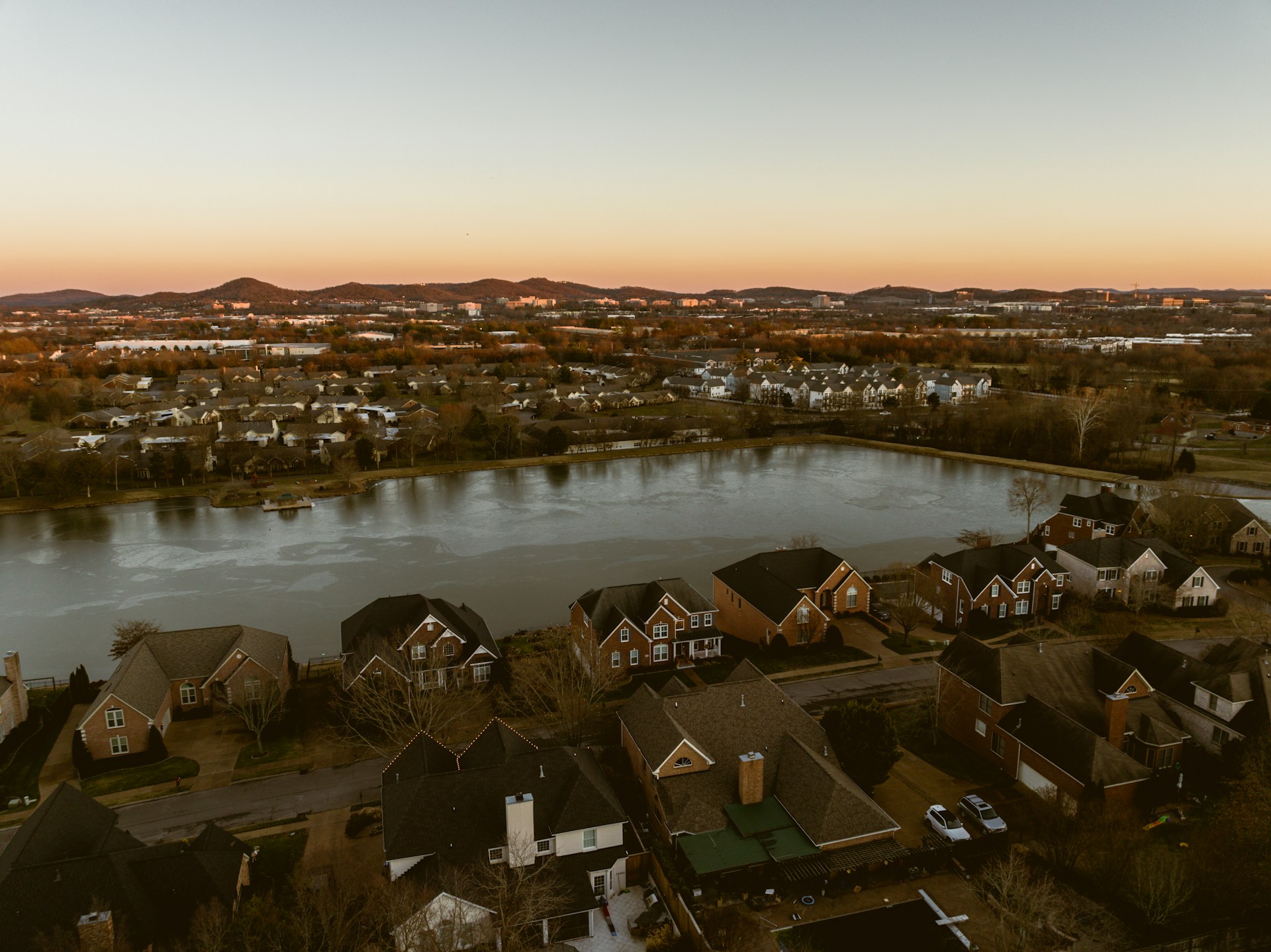
Murfreesboro, about 35 miles southeast of Nashville, has grown into a major city in its own right. You get more space, lower home prices than Nashville, and a family-friendly vibe with good schools and parks. Middle Tennessee State University adds a little college-town energy, but it doesn’t overwhelm the city. Mount Juliet, east of Nashville, is a favorite for families who want suburban comfort but need quick city access. It’s one of the fastest-growing areas in Middle Tennessee. The commute is manageable for most, especially compared to some other suburbs, and the community has put real effort into schools and infrastructure.
Brentwood for Schools, Safety, and an Upscale Suburban Feel
Brentwood is probably Tennessee’s best-known suburb, and for good reason. It consistently scores near the top of statewide livability measures for safety, schools, and overall quality of life. People who live here describe it as safe, clean, and tight-knit. The trade-off? Cost. Brentwood’s home prices are among the highest in the state, and most households here are pretty high-income. The Williamson County area, which includes Brentwood and Franklin, ranks among the priciest real estate markets in Tennessee, and home prices here often reflect that reputation. If your budget can handle it and schools are your top concern, Brentwood is tough to beat.
Clarksville and Cookeville for Budget-Conscious Movers
Clarksville, up near the Kentucky border, is one of Tennessee’s most affordable larger cities. The military presence from Fort Campbell shapes the local economy and culture. Home prices are much lower than Nashville’s, and the cost of living is accessible for first-time buyers and young families. Cookeville, in the Upper Cumberland region, offers a quieter, small-city lifestyle. Tennessee Tech University is based here, and there’s a strong community feel. It’s about halfway between Nashville and Knoxville, so it’s a practical pick for remote workers who want affordability but don’t want to be way out in the sticks.
Johnson City, Kingsport, and Jonesborough for East Tennessee Living
The Tri-Cities area in northeast Tennessee is a bit of a hidden gem for relocators. Johnson City is home to East Tennessee State University and has a stable economy anchored by healthcare. Kingsport offers good schools and lower costs, while Jonesborough — Tennessee’s oldest town — brings historic charm and a slower pace. Mountains, rivers, and outdoor culture run through all three. If you want a slower lifestyle, lower housing costs, and a strong sense of place, the Tri-Cities are worth a look — even if they don’t show up on national lists.
What Different Types of Movers Usually Prioritize
No single Tennessee city fits everyone. The right choice depends on your stage of life and what you’re willing to trade off.
Best Fits for Families Focused on Schools and Stability
Families who put schools first often look in Williamson County, which includes Brentwood and Franklin. The district is consistently top-ranked for academics, involvement, and resources. Germantown and Collierville, near Memphis, are strong options for families who want quality schools at a lower price than Williamson County. It’s smart to look at whole school districts, not just rankings. The district’s culture, activities, and demographics matter as much as test scores. If you want to understand what a district looks like at the neighborhood level, going beyond district averages and looking at individual school data can give you a much clearer picture.
Strong Options for Remote Workers and Young Professionals
Remote workers get the most flexibility, so it’s less about job access and more about lifestyle, cost, and community. Chattanooga and Knoxville both stand out here. They offer great outdoor culture, reasonable housing, and good infrastructure for remote work. Nashville appeals to young professionals who want career opportunities and an active social scene, even if it’s pricier. If you’re remote and want to stretch your budget without giving up culture, the Tri-Cities and Cookeville offer serious value — especially if you don’t need to be near a major airport.
Where Retirees May Want Lower Costs and a Slower Pace
Tennessee doesn’t tax Social Security income and has no state income tax, so it’s a real draw for retirees on a fixed budget. The best places to retire in Tennessee usually have good healthcare, outdoor recreation, and a calmer pace. Chattanooga and Knoxville both have strong hospital systems and active retirement communities. West Tennessee’s smaller towns, especially near the river, attract retirees who want space, low costs, and quiet. The Tri-Cities are another solid pick, especially for folks who want cultural events from East Tennessee State University and a slower rhythm to daily life.
A Simple Way to Narrow Your List Before You Visit
Once you’ve got a sense of which Tennessee cities fit your priorities, the next step is narrowing your list without spending months driving all over the state. A more structured approach can save you a lot of time.
Use a Comparison Table to Weigh Trade-Offs Across Cities
| Veneer Type | Material | Durability | Enamel Removal | Stain Resistance |
|---|---|---|---|---|
| Porcelain | Ceramic shell | 10-15+ years | Yes | High |
| Composite/Resin | Resin bonding | 5-7 years | Minimal | Moderate |
| No-Prep/Lumineers | Thin ceramic | Varies | Very little | High |
| Removable/Pop-on | Acrylic resin | Short-term | None | Low |
Build a Shortlist Based on Neighborhood-Level Data, Not Statewide Rankings
Statewide rankings might give you a general sense, but they don’t tell the full story. A city’s average school or safety score can hide what’s really happening in neighborhoods you’d actually consider. Go deeper before you visit. Check out crime reports by precinct, not just the city-wide stats. Look up school boundaries instead of relying on district averages. Try mapping your commute at the exact time you’d be driving. These details can totally shift your perspective and keep you from falling for a city’s reputation instead of its reality.
Know When to Get Help Choosing Between Similar Areas
Sometimes, two places look nearly identical on paper. That’s when the subtler stuff really matters — community feels, age of homes, walkability, and what the schools are like day to day. You can’t always find those answers in a spreadsheet. Local experts can help you sort out which trade-offs matter most to you. If you want to talk through neighborhood data with someone who knows Tennessee well, SettleSavvy can connect you with a Savvy Consultant for a free, personalized session before you even visit.
Frequently Asked Questions
Which Tennessee cities make it easiest for young adults to meet people and find good jobs?
Nashville’s job market stands out for young professionals, especially in healthcare, tech, and music-related fields. Knoxville and Chattanooga also offer growing professional scenes and have more affordable options for folks starting out.
Where can you live near the mountains and still have practical things like groceries, hospitals, and decent internet?
Knoxville and Chattanooga both sit close to the Smoky Mountains and the Appalachian range, while still providing urban services, solid hospitals, and good broadband. Johnson City in East Tennessee also fits the bill, just with a smaller-city vibe.
What Tennessee towns feel safest day to day, and how can you compare neighborhood crime trends without guessing?
Brentwood, Germantown, Collierville, and Farragut usually show up as some of the safest spots in Tennessee based on crime stats. Looking at crime by neighborhood, not just city-wide, gives you a clearer picture. Tools that break down crime trends by neighborhood let you see real differences between city averages and the places you might actually live.
If schools are a top priority, which areas tend to have districts that match your family’s needs and budget?
Williamson County, which includes Brentwood and Franklin, leads the state for school quality, but homes there aren’t cheap. Germantown and Collierville near Memphis have strong schools for less. Farragut, outside Knoxville, gives families another solid option without Nashville’s price tag.
What are some smaller Tennessee towns that offer a strong community feel without being too isolated?
Franklin, Cookeville, and Jonesborough all have their own small-town character but still offer enough nearby services to make daily life easy. Franklin’s growing fast but still feels invested in its community. Jonesborough, Tennessee’s oldest town, has real historic charm and sits close enough to Johnson City for bigger-city needs.
If you want to retire comfortably, which places balance healthcare access, taxes, and a calmer pace of life?
Chattanooga and Knoxville both offer retirees good hospital access, outdoor recreation, and reasonable living costs. Smaller towns in West Tennessee and the Tri-Cities area appeal to those who want even lower housing costs and a slower pace, plus Tennessee’s tax setup can really help stretch a fixed income.
Finding Your Tennessee Fit Before You Commit
Tennessee has options for just about every budget and lifestyle. The real challenge is finding a place that fits your priorities, not just picking from a list of “best cities.” Whether you’re comparing Nashville’s suburbs, torn between Knoxville and Chattanooga, or wondering if a smaller town fits your remote work life, the answers show up in neighborhood-level data. City averages only go so far. Real decisions happen when you dig into the details. You can build your free neighborhood map on SettleSavvy to see how Tennessee communities stack up for your personal priorities — whether that’s safety, schools, commute, affordability, or community feel. If you’d like to talk it through with someone, book a free consultation with a Savvy Consultant and get some real, personalized insight before you make any big moves.