What makes Provo different?
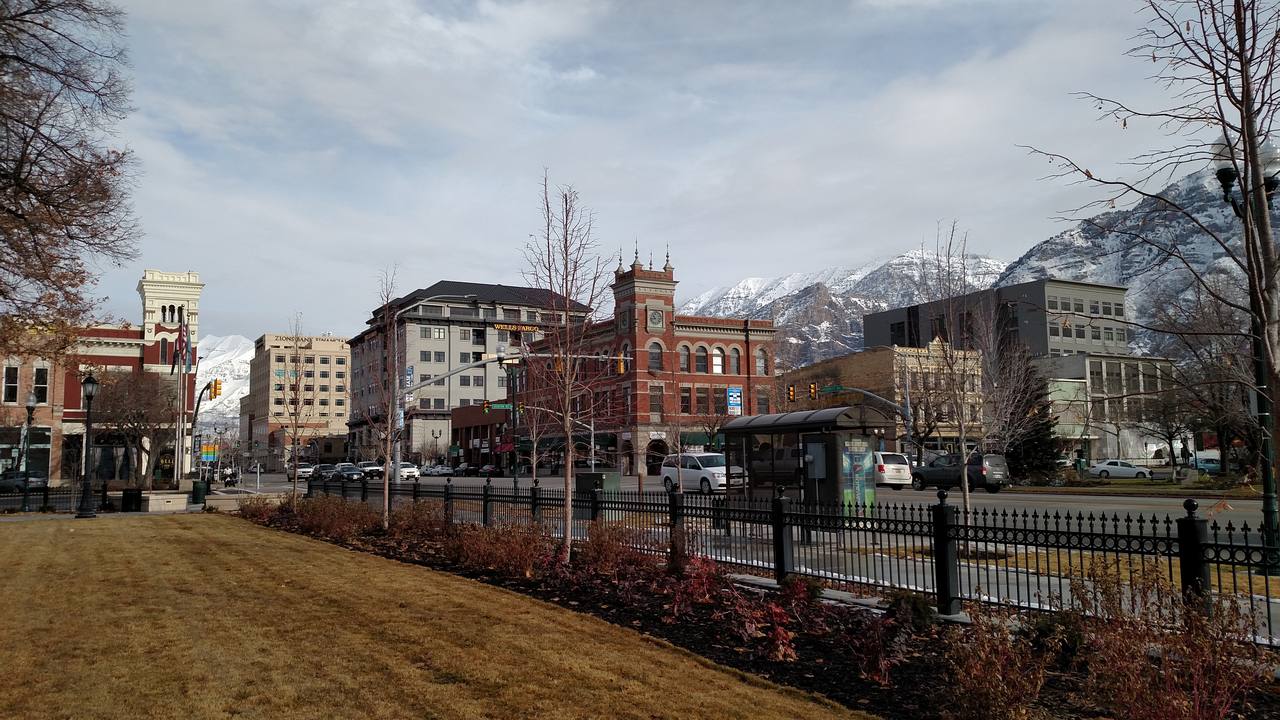
The Church of Jesus Christ of Latter-day Saints plays a central role in daily life in Utah Valley, more so than any other single institution influences any other American metro area. Around five out of every six residents are Latter-day Saints, a proportion a hundred times higher than what you'd expect in a metro of this size. The church's emphasis on family is evident in the community: the area has the highest percentage of married couples over cohabiting ones, nearly the most children per person in the country, and close to a third of the population is under eighteen. The church's teachings also have a noticeable impact on local entertainment. Bars and nightlife spots are about a sixth of what you'd find in similar-sized metros, though there are more restaurants than usual, highlighting the community's general avoidance of alcohol.
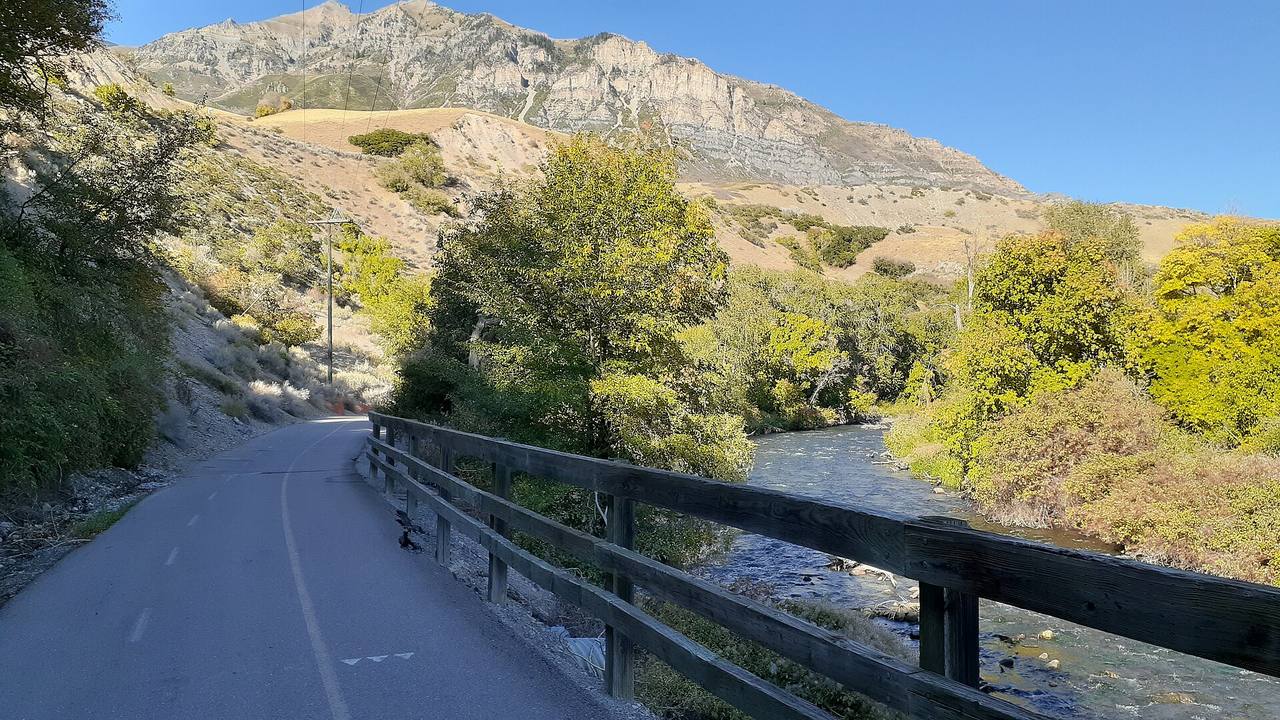
Outdoor activities in Utah Valley follow long corridors instead of being centered around neighborhood parks. A typical resident has access to about fourteen times more miles of connected walking and biking trails compared to other similarly sized metros. This is due to the valley's location between the Wasatch Range and Utah Lake, with connections like the Provo River Parkway, the Murdock Canal Trail, and the routes through Provo and American Fork canyons. While small parks are less common, there are nearly five times more playgrounds, catering to families with children, the norm in areas like Saratoga Springs and Lehi.
The tech hub known as Silicon Slopes provides plenty of job opportunities for the area's youthful population. Companies like Adobe and Qualtrics are based in Lehi and hire many graduates from BYU and Utah Valley University. The employment rate among men is roughly 25% higher than in similar metros, and even teenagers have jobs more often here. Almost every household has access to broadband, thanks to Provo's early development of a municipal fiber network, later acquired by Google Fiber, and Orem's participation in the UTOPIA consortium. Veterans are fewer than expected, at less than half the normal rate, partly because this is the youngest metro area in the U.S. Additionally, the local culture often encourages nineteen-year-old men to go on missions rather than join the military. For married couples with young children, the area is very accommodating. In contrast, a single adult wanting to walk to a bar will likely need to drive to Salt Lake.
Religion, politics, nightlife, big yards: important to different people, useless in a national index. Tell us which details matter to you and we'll surface them for every Provo, UT neighborhood in a free personal report.
Build my free Provo, UT report
What does it cost to live in Provo?
#782 of 918
▾
Housing in Provo places it among the most expensive sixth of U.S. metropolitan areas. Nearly every neighborhood has prices above the national median per square foot, with rents and owner costs ranking near the top tenth. However, without housing costs, Provo's cost of living is quite average. Everyday goods and services are slightly below the national average in cost, and property taxes and homeowners insurance take up less of a home's value than in most metros. A median household income higher than those in 90% of other metros helps offset costs, but families in Provo tend to be large, with young couples raising several children. As a result, their income must cover more people and more bedrooms. A market priced per square foot is most challenging for families who need larger spaces, which are common in this area.
$1,417 /mo
2BR median rent88th pctile of US metros
- Eureka, CA$1,423
- Ukiah, CA$1,423
- Provo, UT$1,417
- Albany, NY$1,416
- Madison, WI$1,415
$2,121 /mo
Owner housing cost90th pctile of US metros
- Modesto, CA$2,131
- Colorado Springs, CO$2,121
- Provo, UT$2,121
- Pullman, WA$2,118
- Fairbanks, AK$2,111
98 US=100
Everyday prices63rd pctile of US metros
- Vernal, UT98
- Price, UT98
- Provo, UT98
- Brigham City, UT98
- St. George, UT98
$3.66 /gal
Gasoline86th pctile of US metros
- Cedar City, UT$3.66
- Price, UT$3.66
- Provo, UT$3.66
- Vernal, UT$3.66
- Harrisburg, PA$3.61
The metro's south end offers some savings. Neighborhoods in the cheapest tenth of the metro cost about $190 per finished square foot, which is a fifth below the metro midpoint. These areas are mostly in towns south of Provo, like Spanish Fork and Payson, whereas prices rise closer to Lehi's tech offices in the north. Price mainly reflects the proximity to jobs and newer buildings, but this doesn't account for the high cost of commuting on the congested I-15, with gasoline priced higher than in most states. People working in Provo or from home hardly face these costs. Even so, the most affordable neighborhoods in the metro still price above the national median; the bargains beat Lehi, not the country.
Tell us which things matter most and we'll tell you the Provo, UT neighborhoods where you can find them.
Find the right Provo, UT neighborhood at the right price
Is Provo safe?
#150 of 918
▾
The Provo-Orem-Lehi area ranks in the top sixth of the safest metropolitan areas in the U.S. SettleSavvy grades every neighborhood in the country on a letter scale. We use the best available data to build a model of crime location and frequency. You can read more about the grading method here. For three out of four neighborhoods in this metro, the risk of violent crime is lower than the national average. The areas with the lowest grades are usually near commercial centers, like Provo's Towne Centre mall, which pulls down the metro's overall safety score compared to most of the valley.
B+
Violent crime78th pctile of US metros
- Bozeman, MTB+
- Slidell, LAB+
- Provo, UTB+
- North Platte, NEB+
- Defiance, OHB+
B
Property crime81st pctile of US metros
- Sunbury, PAB
- Sulphur Springs, TXB
- Provo, UTB
- Port St. Lucie, FLB
- Pella, IAB
Provo-Orem-Lehi is the youngest metro in America, and younger populations are typically associated with higher crime rates. However, sociologists attribute the lower crime rates here to the community networks within the metro's predominantly Latter-day Saint population. The most common issues are minor thefts, which Provo police categorize as "crimes of opportunity," involving unlocked doors or unattended bikes around BYU and UVU. Nevertheless, two out of three neighborhoods still have property crime rates below the national average. The safest areas are newer suburban developments in northern Utah Valley, namely Lehi, Saratoga Springs, and Eagle Mountain. Anyone screening mainly on violent crime can pick a neighborhood on other grounds.
Is Provo a good place to raise a family?
#1 of 918
▾
Provo-Orem-Lehi ranks as the most family-friendly metro area in the United States. Nearly 10% of its residents are under six years old, ranking it near the top nationwide. The local schools perform in the top few percent nationally, with consistent quality across every neighborhood. This means families can choose any area without worrying about school districts.
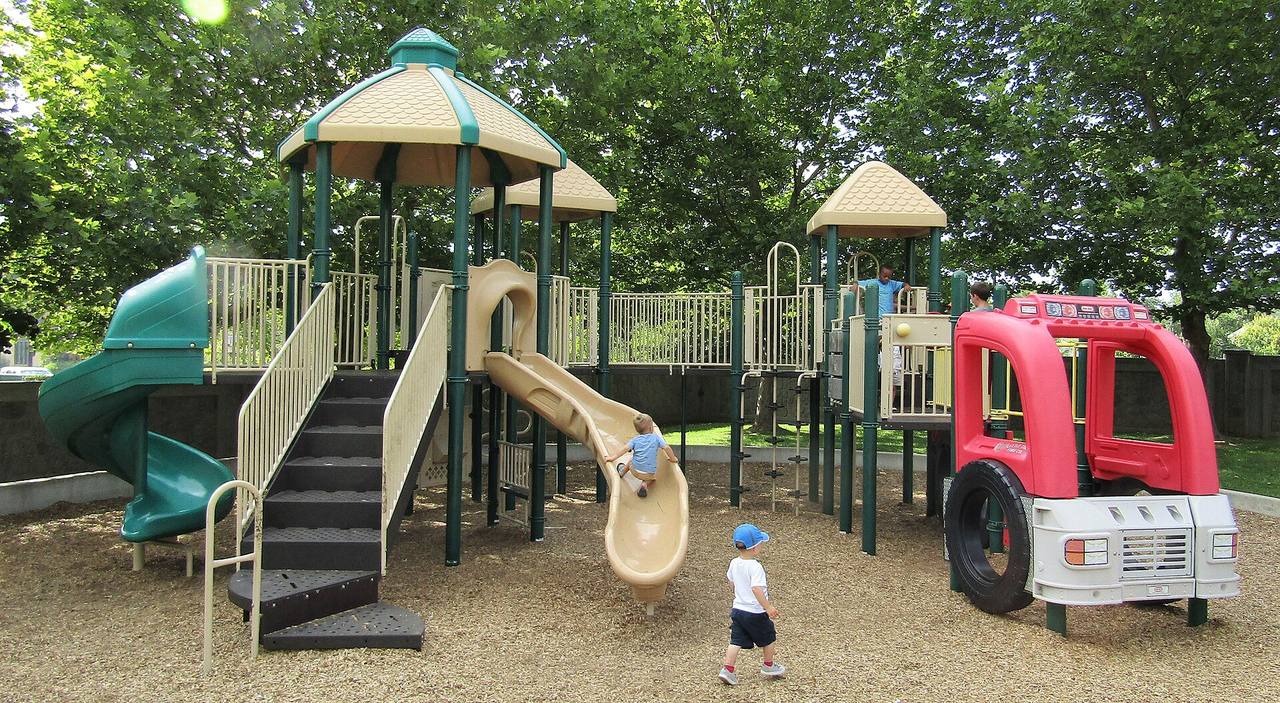
4
Playgrounds in reach98th pctile of US metros
- Laramie, WY5
- Roswell, NM5
- Provo, UT4
- San Jose, CA4
- Boulder, CO4
10%
Under-5 share99th pctile of US metros
- Eagle Pass, TX10%
- Liberal, KS10%
- Provo, UT10%
- Othello, WA10%
- Williston, ND10%
21%
School-age share100th pctile of US metros
- Brigham City, UT21%
- Andrews, TX21%
- Provo, UT21%
- Idaho Falls, ID21%
- Vernal, UT21%
The culture of the Church of Jesus Christ of Latter-day Saints drives these numbers. Most locals belong to the church, which encourages early marriage and values children highly. This has created an area where about one-third of the population is under eighteen, a percentage unmatched by almost any other metro area in the country. While college towns often have a larger population of childless twentysomethings, this pattern doesn't diminish even with Brigham Young University and Utah Valley University at the center. Many BYU students marry and start families before finishing their degrees, increasing rather than decreasing the number of children in the area. This creates a community where nearly nine out of ten neighborhoods have peer families, and quality schools are a given. Adults without children, or those outside the church, will notice that social activities often revolve around families and the church.
What is the weather like in Provo?
#774 of 918
▾
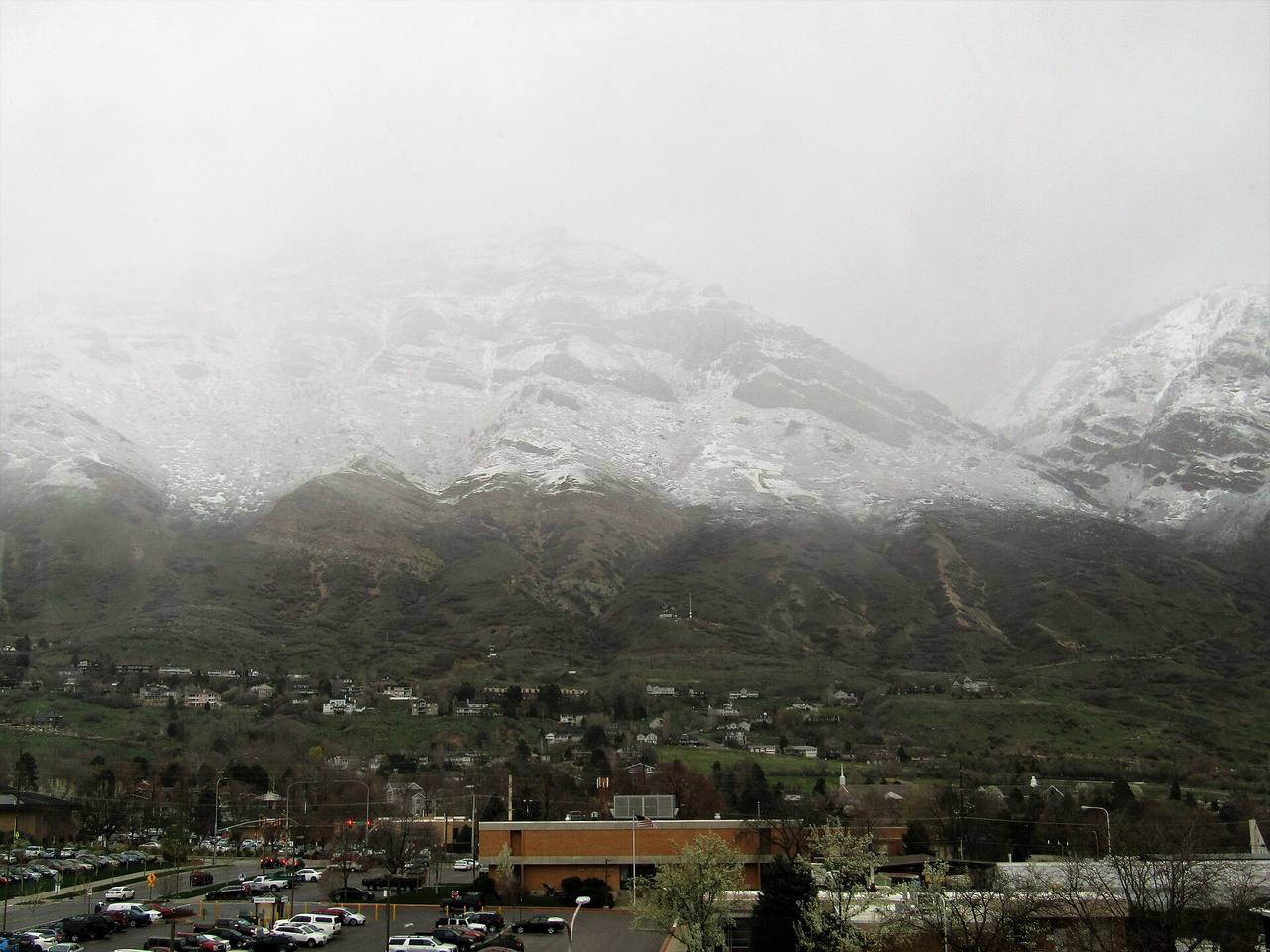
Provo's weather is shaped by its dry air and high altitude. The valley lies around 4,500 feet above sea level, situated between the Wasatch Range and Utah Lake. In July, the air is drier here than in almost any other U.S. metro area, which makes the fifty or so 90-degree summer afternoons more tolerable and allows evenings to cool quickly. Winters are long, with nighttime temperatures staying at or below freezing for over four months. Snowfall is heavy compared to national standards. During high-pressure periods, the mountains trap cold air and exhaust in the valley, a phenomenon known as inversion, typical for the Wasatch Front. There are few genuinely mild days in this area because spring and fall are short transitions between the cold winters and the dry summer heat.
48 /yr
Pleasant days11th pctile of US metros
- Othello, WA49 /yr
- Lake Havasu City, AZ49 /yr
- Provo, UT48 /yr
- Hays, KS48 /yr
- Redding, CA48 /yr
83 °F
Summer high40th pctile of US metros
- Ottawa, IL83 °F
- Monticello, IN83 °F
- Provo, UT83 °F
- Wilmington, OH83 °F
- Toledo, OH83 °F
18 °F
Winter low22nd pctile of US metros
- St. Marys, PA18 °F
- Worcester, MA18 °F
- Provo, UT18 °F
- Beatrice, NE18 °F
- Ludington, MI18 °F
52 in/yr
Snowfall86th pctile of US metros
- Flint, MI52 in/yr
- Owosso, MI52 in/yr
- Provo, UT52 in/yr
- Rapid City, SD52 in/yr
- Minneapolis, MN52 in/yr
94 /yr
Rainy days27th pctile of US metros
- Canton, IL94 /yr
- Mayfield, KY94 /yr
- Provo, UT94 /yr
- Colorado Springs, CO93 /yr
- Fort Smith, AR93 /yr
51 /yr
Hot days (90°F+)66th pctile of US metros
- Goldsboro, NC51 /yr
- Fayetteville, TN51 /yr
- Provo, UT51 /yr
- Wilson, NC51 /yr
- Fort Morgan, CO51 /yr
138 /yr
Freezing days72nd pctile of US metros
- Lock Haven, PA138 /yr
- Hays, KS138 /yr
- Provo, UT138 /yr
- Omaha, NE138 /yr
- Rockford, IL138 /yr
44 °F
Summer dew point5th pctile of US metros
- Los Alamos, NM44 °F
- Gallup, NM44 °F
- Provo, UT44 °F
- Helena, MT44 °F
- Alamosa, CO44 °F
The main dangers in Provo come from its geology and dry climate. Located on the Wasatch Fault, it's among the top U.S. metro areas for expected damaging earthquakes. Utah geologists predict a major one could occur within the lifetime of current residents. Expected wildfire losses per dollar of property are also among the highest in the nation. In 2018, the Pole Creek and Bald Mountain fires led to evacuations in foothill towns like Woodland Hills and Elk Ridge. Drought remains a persistent issue, with the state declaring an emergency in 2026 due to a minimal snowpack. Although winter storms happen more frequently here than in nearly any other U.S. metro area, federally declared disasters have been infrequent since 2005. The area faces infrequent, large-scale events instead of consistent yearly storm damage.
What kind of amenities does Provo have?
#107 of 918
▾
Provo-Orem-Lehi ranks in the top eighth of U.S. metropolitan areas for everyday amenities, even without much in the way of nightlife. In this metro area, it's easier to access restaurants, shops, consumer services, gyms, and transit stops compared to most other American metros. However, bars are a different story. Half of the neighborhoods here don't have a bar within two miles, and in terms of access to bars, the metro ranks lower than nearly two-thirds of the country.
0
Nightlife spots36th pctile of US metros
- Tahlequah, OK0
- Elizabeth City, NC0
- Provo, UT0
- Daphne, AL0
- Mountain Home, AR0
58
Transit stops90th pctile of US metros
- Raleigh, NC60
- Scottsbluff, NE58
- Provo, UT58
- Clarksville, TN57
- Kansas City, MO54
16
Everyday services89th pctile of US metros
- Muskogee, OK17
- Detroit, MI16
- Provo, UT16
- Columbia, SC16
- Pittsburgh, PA16
2
Gyms88th pctile of US metros
- Flagstaff, AZ2
- Arkadelphia, AR2
- Provo, UT2
- Lafayette, IN2
- Ogden, UT2
This is largely due to religious influences. A majority of Utah County is affiliated with the Church of Jesus Christ of Latter-day Saints, which promotes abstaining from alcohol. On top of that, state liquor laws further limit the availability of bars. The households contributing to the scarcity of bars are the same ones that make playgrounds plentiful. More neighborhoods in this area have access to a playground than in almost any other U.S. metro. Paved routes like the Murdock Canal Trail and the Provo River Parkway provide extensive trail miles, putting the area near the top nationally. In Provo-Orem-Lehi, daily life suits those who enjoy heading to dinner, hitting the gym, or going for a ride in the evening. For those wanting to visit a nearby bar, the closest cluster can be found a county north, in Salt Lake.
What's outdoor access like in Provo?
#422 of 918
▾
Provo-Orem-Lehi falls in the middle of U.S. metro areas when it comes to green space, but there's a noticeable divide. The valley floor is densely built, with more ground covered by buildings than in nine out of ten U.S. metros. A quarter of its neighborhoods have almost no natural vegetation, and most have fewer parks within two miles than the average American neighborhood. The green areas are mainly on the outskirts, on the Wasatch slopes and near canyon entrances, where some neighborhoods are surrounded by almost entirely natural land.
0
Parks in reach31st pctile of US metros
- Lafayette, IN0
- Martinsville, VA0
- Provo, UT0
- Grand Junction, CO0
- Cookeville, TN0
489 mi
Connected trail miles96th pctile of US metros
- Safford, AZ500 mi
- Payson, AZ490 mi
- Provo, UT489 mi
- Cedar City, UT471 mi
- El Centro, CA468 mi
Trails break this pattern. Almost every neighborhood accesses more connected trail miles than the typical American neighborhood, placing it in the top 5 percent nationally. This is due to paved paths like the Murdock Canal Trail and the Provo River Parkway, which connect cities in the valley and extend into the Wasatch canyons. With the metro area situated between Utah Lake and the mountains, and the Silicon Slopes expansion filling the valley with subdivisions and offices, residents often rely on trails to reach green spaces rather than local parks. This works for those who enjoy activities like biking and hiking but leaves others wanting for nearby grass and shade.
How affluent is Provo?
#57 of 918
▾
Provo-Orem-Lehi ranks as one of the most educated metropolitan areas in America, largely because of its college-educated population. Three out of ten adults hold a bachelor's degree, a statistic that few U.S. metros can match. Household incomes in the area are in the top ten percent. However, the same colleges responsible for the high education levels also affect the income range. Incomes vary from around $63,000 in student areas near BYU to over $150,000 in the northern suburbs closer to Lehi's tech companies.
46%
White-collar jobs94th pctile of US metros
- San Diego, CA47%
- New York, NY47%
- Provo, UT46%
- Worcester, MA46%
- Colorado Springs, CO46%
30%
Bachelor's (men)99th pctile of US metros
- Durango, CO30%
- Denver, CO30%
- Provo, UT30%
- Madison, WI29%
- Ames, IA29%
32%
Bachelor's (women)99th pctile of US metros
- Kill Devil Hills, NC32%
- Moscow, ID32%
- Provo, UT32%
- Austin, TX32%
- Fort Collins, CO31%
The tech industry in Silicon Slopes provides many high-paying jobs, but housing costs take a significant chunk of those earnings. Companies like Qualtrics in Provo and Adobe in Lehi hire many graduates, resulting in nearly half of the metro's workforce holding professional or managerial roles. In contrast, manual labor and service jobs make up a smaller portion of the workforce than in most urban areas in the U.S. With mortgage costs and rents among the highest, living in Provo means that incomes cover less housing compared to other areas. This financial reality benefits those with degrees working in professional fields but is tougher on tradespeople and service workers, who face high housing costs with fewer job opportunities.
What is the Provo community like?
#584 of 918
▾
Provo-Orem-Lehi ranks in the bottom third of U.S. metros for community stability, driven largely by housing turnover. Typically, residents stay in their homes for about nine years, which is shorter than in 95% of U.S. metros. About one in eight residents moved into their current home within the last year.
70%
Owner-occupied50th pctile of US metros
- Green Bay, WI70%
- Canton, OH70%
- Provo, UT70%
- Columbia, SC70%
- Decatur, IL70%
72%
Coupled households100th pctile of US metros
- Provo, UT72%
- Jefferson, GA71%
- Heber, UT71%
38%
Divorced (of ever-married)57th pctile of US metros
- Lake Charles, LA38%
- Canton, OH38%
- Provo, UT38%
- Abilene, TX38%
- Warrensburg, MO38%
This high turnover exists alongside a population structured around families: nearly three-quarters of households are couples, the highest proportion of any U.S. metro. Among families with children, there are fewer single parents compared to most other areas. This pattern is shaped by local institutions. Brigham Young University and Utah Valley University bring a lot of student renters to Provo and Orem, whose leases often coincide with the academic year. Moreover, the Latter-day Saint culture, which encourages early marriage, means many renters are already married. Further north, the development around Lehi's tech corridor continually adds new subdivisions, attracting homeowners who have recently arrived. These factors mostly reflect the influx of new residents. This is a place where a married couple with children will find many neighbors in similar life stages, whereas a single parent will encounter fewer households like theirs compared to nearly anywhere else in the country.
Where are the best places to live in Provo?
Movers prioritize different factors when choosing where to live. We evaluated all nineteen places in the Provo metro for safety, housing costs, schools, amenities, green space, and stability, then matched six mover profiles to the places that align with their priorities.
Best for relocating retirees: Alpine
Alpine suits retirees who prefer stable communities. It ranks first for community stability among the metro's nineteen named places, while other towns face frequent changes due to student leases and new subdivisions. Alpine also offers safer streets and more nearby natural land than most of those places. However, homes there are more expensive than anywhere else in the metro. Lindon and Mapleton run close behind.
Best for military families on new orders: Eagle Mountain
Eagle Mountain is a newer suburban town in the valley that rates highest in family-friendliness among the metro area's eighteen named places. Families moving here find themselves among neighbors at similar life stages, with schools that perform well across the metro. Housing in Eagle Mountain is more affordable than in most other valley towns, in a metro that ranks as one of the country's most expensive. Alpine and Cedar Hills run close behind.
Best for a fresh start: American Fork
Starting over in American Fork is convenient because of its excellent access to amenities. It leads the metro area’s nineteen named places for proximity to restaurants, shops, gyms, and services, all close by. The risk of violent crime is also lower than in most U.S. neighborhoods. However, there is less nearby natural land than in most other towns in the valley. Vineyard and Lindon run close behind.
Best for young professionals: Vineyard
Vineyard suits young professionals as nearly everyone is new, with only one of the metro's nineteen places seeing faster housing turnover. Everyday amenities rank high, though housing costs exceed those in most areas. The nightlife is sparse across the metro, with the closest bar cluster a county north, in Salt Lake. American Fork and Lehi run close behind.
Best for grad school and med programs: Nephi
Nephi stands out as the most affordable of the nineteen named areas in the metro. This is important for those on a grad stipend in a market where housing is often among the nation's priciest. However, Nephi has its drawbacks. It ranks lowest in safety among these areas, offers fewer everyday amenities than most, and requires a lengthy drive north on I-15 to the BYU and UVU campuses. American Fork and Lindon run close behind.
Best for mid-career moves: Highland
Highland stands out as the most affluent area among the nineteen named places in the metro, located at the valley's northern end. Here, incomes increase as you approach the tech hubs of Lehi. You'll find more families with children and long-term residents compared to other places in the metro. Housing prices are among the highest, making this area the kind of place people move to after a pay raise, not before. Alpine and Lehi run close behind.
Best for you: my map
No two moves weigh these things the same way. Schools first or price first, quiet streets or a walkable night out, everyone is looking for something different. Tell us what matters most to you and we'll build your own Provo map together, every neighborhood scored to your priorities.
Every neighborhood in Provo, UT, mapped and scored on the factors you pick. Start from our defaults, then tune the weights until the map shows where you belong.
Open the Provo, UT neighborhood map