What Makes a Good Neighborhood? A Home Buyer’s Guide
Choosing a neighborhood is one of the biggest decisions you will make as a buyer. You can always repaint a kitchen or upgrade a bathroom, but you cannot change your neighbors, your commute, or your kids’ school with a weekend project.
The anxiety is real: too many options, too many conflicting reviews, and no clear way to know which area will actually fit your life.
This guide is about giving you a real framework for evaluating any neighborhood on your terms, so you can start comparing with confidence.
Key Takeaways
- A good neighborhood is defined by fit, not rankings. What works for one family may be wrong for another.
- The most important factors go beyond price: safety, commute, schools, community feel, and long-term stability all shape daily life.
- Structured research, personalized data, and local guidance can replace the guesswork that makes relocation so stressful.
How to Define Your Version of a Good Fit
The phrase “good neighborhood” gets used constantly, but it rarely means the same thing twice. A good neighborhood for a single remote worker looks very different from a good neighborhood for a family with kids and a long commute.
Starting with what you personally need is the only way to filter out the noise.
Match the Area to Your Daily Routine
Think about an average Tuesday in your new home. Where will you drive? What time do you leave?
Do you need walkable errands, or are you fine using a car for everything? Your daily rhythm should shape the geography you are searching within.
According to community and transportation preference research from NAR, most buyers are willing to trade home size for a preferred neighborhood and a shorter commute. That trade-off is worth thinking through early.
Your routine also includes the less obvious stuff: where your kids go after school, which grocery store you prefer, how often you visit a place of worship, and whether you work from home several days a week. These details narrow the map significantly before you ever look at a single listing.
Separate Must-Haves From Nice-to-Haves
Before you tour any home, write down your non-negotiables. Maybe that is a school district above a certain rating, a commute under 30 minutes, or a neighborhood with a strong sense of religious community.
Separate those from the things that would be great but are not dealbreakers.
No area is perfect. Every neighborhood involves trade-offs, and buyers who have not sorted their priorities tend to get overwhelmed when a nice-looking listing shows up in the wrong part of town.
Clarity on your must-haves protects you from making an emotional decision you will regret.
The Local Factors That Matter Most Before You Buy
Once you know what you are looking for personally, you can start evaluating areas against specific factors. These are the ones that tend to have the biggest impact on how much you enjoy living somewhere day to day.
Safety, Streets, and Everyday Comfort
Safety is almost always near the top of every buyer’s list, and for good reason. It affects how freely your kids play outside, how comfortable you feel walking to dinner, and how your home’s value holds up over time.
Crime data is a useful starting point, but it is worth looking at what types of incidents are reported and in which specific blocks. Two neighborhoods in the same zip code can have very different profiles.
Detailed safety breakdowns for areas like the safest neighborhoods in Philadelphia can show you those differences at the street level.
Peer-reviewed research on walkability and resident wellbeing found that sidewalk conditions, lighting, and green space have measurable effects on how comfortable people feel in their daily environment.
A neighborhood can have low crime rates but still feel unwelcoming if the streets are poorly maintained or there is no space to walk or gather.
Schools, Commute, and Access to Essentials
If you have children, or plan to, school quality will shape your life in ways that go far beyond test scores. You want to know whether the district is stable, what the options are at each grade level, and whether the community around those schools aligns with your values.
For buyers in cities like Atlanta or Miami, comparing best schools across neighborhoods can surface differences that are not obvious from a zip code alone.
Commute is equally concrete. A 15-minute difference in drive time adds up to nearly 90 hours a year.
Access to essentials, whether that is a reliable grocery store, urgent care, a pharmacy, or a specific place of worship, matters more once you are living somewhere and cannot just rely on what is familiar.
Housing Costs, Stability, and Future Resale
Affordability is not just about whether you can afford to buy. It is about whether the neighborhood supports long-term financial stability.
Look at property tax trends, HOA fees if applicable, and how home values in that area have moved over the past five to ten years.
Census Bureau data at the neighborhood level can help you compare affordability with more precision than a listing price alone, including median income, housing costs, and household composition.
Resale value is worth thinking about even if you plan to stay forever. Neighborhoods with strong school ratings, low crime, and growing employment tend to hold value better over time.
A home that fits your life today should also be a reasonable financial asset tomorrow.
How Community Feel Shapes Long-Term Satisfaction
Data can tell you a lot, but it cannot tell you everything. The intangible quality of a neighborhood matters enormously for long-term happiness: whether people say hello, whether the community shares your values, whether you feel like you belong.
Lifestyle, Values, and Social Belonging
Community fit goes deeper than amenities. It includes the political leanings of your neighbors, the religious composition of the area, the general age and family structure of the population, and the shared norms around things like noise, privacy, and community involvement.
These factors are personal, and none of them are universally good or bad. What matters is whether they align with how you actually want to live.
For faith-based buyers, for example, proximity to a specific religious community can be a deciding factor. For politically minded buyers, knowing whether a neighborhood trends conservative or progressive can affect how welcome they feel at block parties or school board meetings.
This is about fit.
What Different Buyers Need From the Same Area
A single professional relocating for a remote job and a military family on a tight PCS timeline might both be looking at the same three neighborhoods, and they would likely prioritize them in completely different order. The professional might weight culture and walkability highest.
The military family might weight school stability and safety above everything else, since they need to make a confident decision quickly without local knowledge.
First-time buyers often underestimate this dimension. They spend so much energy on the house itself that they forget to ask whether the neighborhood supports their actual life.
The home you buy will shape your evenings, your weekends, your kids’ friendships, and your commute.
Why Online Reviews Rarely Tell the Whole Story
Neighborhood reviews online tend to reflect the most vocal residents, not the most representative ones. A single bad experience can generate a scathing paragraph. A quiet, stable, genuinely livable area might have almost no reviews at all because satisfied residents are not usually motivated to post about it.
Layering multiple data types matters. Use reviews as one signal among many, not as a verdict.
It is also worth understanding a neighborhood’s trajectory before you commit. Is it gentrifying rapidly? Are longtime residents leaving? Is there active tension over development or change? These questions do not have simple right or wrong answers, but asking them puts you in a far better position than buyers who only look at curb appeal and listing prices. A neighborhood that looks polished today may be in the middle of a difficult transition that no amount of street-level charm will tell you about.
Combine reviews with crime data, school ratings, demographic profiles, and an actual visit at different times of day and week. What you observe in person will often tell you more than anything you read.
A Practical Framework for Comparing Areas Side by Side
Once you understand the factors that matter to you, you need a system for applying them consistently across multiple neighborhoods. Otherwise, you end up comparing your emotional reaction to one area against your spreadsheet notes on another.
Use a Simple Scorecard Before You Tour Homes
Before you visit a single property, build a simple comparison grid. List the neighborhoods you are seriously considering across the top, and your prioritized factors down the side: safety, schools, commute time, affordability, community feel, access to essentials, and any personal priorities like walkability or religious demographics.
Rate each area on each factor using whatever scale feels natural, one to five or low/medium/high.
This does not have to be scientific. The goal is to make your priorities explicit before you fall in love with a house, not after.
A beautiful home in a neighborhood that scores poorly on three of your five must-haves is a warning, not an opportunity.
| Factor | Neighborhood A | Neighborhood B | Neighborhood C |
|---|---|---|---|
| Safety | High | Medium | High |
| School Ratings | High | High | Medium |
| Commute Time | 20 min | 35 min | 25 min |
| Affordability | Medium | High | Medium |
| Community Fit | High | Medium | High |
Questions to Ask When You Visit in Person
A physical visit fills in what data cannot. When you are there, pay attention to:
- Street maintenance: Are sidewalks clear? Is there visible deferred maintenance on homes?
- Activity level: Are neighbors outside? Do kids play freely?
- Commercial presence: Are local businesses open and occupied, or are storefronts empty?
- Traffic patterns: What does the area look like at rush hour versus a Saturday morning?
- Property boundaries: Fences and property line clarity often reflect the tone of neighbor relationships.
Ask a local business owner how long they have been there and whether foot traffic has changed. Their answer will tell you more about neighborhood trajectory than any statistic.
How to Spot Trade-Offs Without Feeling Stuck
Every neighborhood has trade-offs. An area with excellent schools may have higher property taxes.
A walkable neighborhood near downtown may have more noise and less parking. A quiet suburban area may require two cars and a longer commute.
The question is which trade-offs you can live with and which ones will wear on you over time.
The buyers who regret their decisions are usually the ones who ignored a trade-off they already knew about. The buyers who feel settled tend to have been honest with themselves upfront about what they were giving up and decided it was worth it.
Common Mistakes Buyers Make When Judging an Area
Even well-prepared buyers can misjudge a neighborhood. A few patterns come up repeatedly that are worth knowing before you start touring.
Overweighting Home Price or Curb Appeal
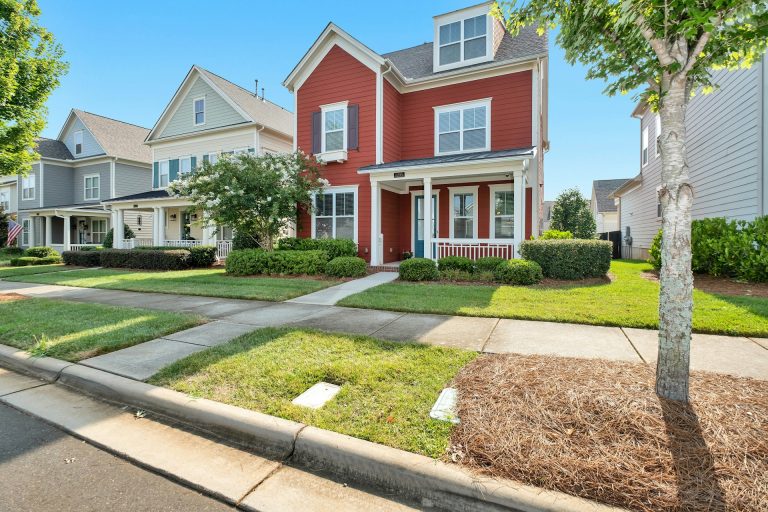
A neighborhood with beautiful street trees and well-kept lawns can feel like a safe, stable choice. But curb appeal is a lagging indicator, not a leading one.
A street that looks polished today may be experiencing underlying economic pressure that is not yet visible. Similarly, a neighborhood with lower prices is not automatically a better deal.
Low prices sometimes reflect real instability, whether in the school district, local employment, or crime trends. Focus on the data underneath the aesthetics before you fall for the scenery.
Assuming One Statistic Tells the Whole Story
Crime rates are the most common single-statistic trap. A neighborhood with a low overall crime rate can still have specific blocks with higher incident rates, or a specific type of crime that matters to your family.
Conversely, an area with a higher aggregate rate might be almost entirely composed of property crime rather than violent incidents, which changes the risk profile meaningfully.
Demographic data can reveal patterns worth understanding, but stereotypes are not data. Your job is to look at what the data actually says, not what it implies to a casual observer.
Confusing Trendy With Sustainable for Your Life
Gentrification can look like a great investment opportunity until you realize the neighborhood’s character is changing faster than you can settle into it. Trendy areas attract attention, but they also attract rising rents, displacement tension, and shifting demographics that may not align with what you came there for in the first place.
A neighborhood that has been quietly stable for 20 years, with strong owner-occupancy rates and consistent school ratings, is often a better long-term bet than an area that is currently getting a lot of press. Sustainable fit matters more than current buzz.
Turning Research Into a Confident Next Step
At some point, research has to turn into a decision. The goal is not to find a neighborhood with zero flaws. The goal is to find the one that fits your life well enough that the trade-offs feel manageable.
Build a Shortlist You Can Actually Use
Take your scorecard and your in-person impressions and reduce your list to two or three serious contenders. More than that and you will keep second-guessing yourself.
Fewer than two and you may feel like you have no real choice. A shortlist forces clarity.
Once you have two or three neighborhoods you are genuinely considering, focus your deeper research there. Pull census data on income trends and household composition. Compare school performance at the specific district and building level, not just the city average.
When Personalized Data and Local Guidance Help Most
Generic city rankings are useful for getting oriented, but they are almost never specific enough to help you decide between two streets in the same metro. What you actually need is neighborhood-level data filtered through your personal priorities.
If you are relocating to an unfamiliar city without local contacts, a trusted local agent who knows the neighborhood dynamics firsthand can be worth more than hours of independent research. They know which streets flood, which school’s reputation is climbing, and which “up and coming” neighborhood still has ten years of catching up to do.
For buyers looking at areas like safest neighborhoods in Baltimore or safest neighborhoods in Miami, that local context can meaningfully change the decision.
Choosing With More Confidence, Not More Noise
The neighborhoods that will make you happiest long-term are usually the ones that match your daily reality. That match is personal, and it is specific.
Knowing your priorities, doing structured research, visiting in person, and getting local input is the most reliable path to a decision you will feel good about.
When you are ready to stop browsing and start narrowing, build your free neighborhood map on SettleSavvy to see how different areas score across the factors that matter most to you. If you want a real person to help you think it through before you commit, you can connect with a Savvy Consultant at no cost.
Frequently Asked Questions
How Can You Quickly Spot Areas That Feel Safe and Welcoming Before You Visit?
Look at publicly available crime data filtered by incident type and block-level geography, not just city averages. Check street view images and local forum discussions to get a sense of physical upkeep and community tone.
If possible, drive or walk the area at different times of day, including evenings and weekends.
What Should You Look at Besides Crime Stats to Know if You’ll Actually Like Living There?
Pay attention to school ratings, commute distance, walkability, and the demographic composition of the neighborhood, including age, family structure, and community values. Reviews from current residents give texture, but they are most useful when combined with data rather than used alone.
How Do You Compare Schools, Commute, and Housing Costs Without Getting Overwhelmed?
Start with a simple side-by-side comparison of your top two or three neighborhoods using your specific priorities. Use official data sources like the American Community Survey for housing and income trends. Look at school performance at the building level rather than the district average. Narrowing to a shortlist first makes the research feel manageable.
Where Can You Find a Reliable Neighborhood Map That Matches Your Priorities, Not Just Averages?
SettleSavvy lets you set your priorities across categories like safety, schools, commute, and community fit, and then maps neighborhoods against those specific factors. This approach gives you a clearer picture of which areas actually align with your life.
How Can You Tell if a Family-Friendly Area Will Still Fit Your Budget and Lifestyle?
Check property tax trends, HOA costs, and the trajectory of home values over the past five to ten years in the areas you are considering. A neighborhood with strong schools and low crime tends to hold value well, but you want to confirm that the carrying costs fit your actual budget over time.
How Do You Know if a Neighborhood Will Still Feel Right Five Years From Now?
Look at ownership rates, school enrollment trends, and whether local businesses have been there long-term. A neighborhood with stable owner-occupancy and consistent school ratings tends to hold its character better than one with high turnover. Talking to a few long-term residents during a visit will tell you more than any statistic about where the community is headed.