Best Places to Live in Florida for Your Lifestyle
Florida keeps drawing people in, and honestly, it’s not hard to understand why. There’s no state income tax, the weather’s mostly warm, and that coastline? It stretches for over 1,300 miles. Job markets here are growing faster than most places, too. But when it’s time to actually figure out which of the best places to live in Florida fits your life, those big-picture perks don’t help much. The real challenge isn’t whether you should move to Florida. The bigger question is figuring out which part fits your life. A young professional heading to Orlando for a tech job won’t want the same things as a family coming from the Midwest for good schools and a quieter pace. Retirees looking for walkable, waterfront living have a different checklist than remote workers who just want affordability and sunshine. Let’s help you skip the generic rankings and actually figure out which places in Florida line up with your day-to-day needs: safety, schools, commute, housing costs, and the vibe of the community.
Key Takeaways
- The “best” Florida city really depends on what matters most to you, not some statewide list.
- Families, remote workers, and retirees all find their fit in very different markets.
- Neighborhood-level data tells you more than city averages ever could.
How to Narrow Down Your Florida Move
Start With Lifestyle, Not Statewide Rankings
Most guides just hand you a list of cities based on affordability and weather. That’s fine, but it skips the most important part: what kind of daily life do you actually want? Are you commuting every day, or working from home? Do you have kids who need good schools, or is being near great healthcare a bigger deal? Your answers totally change the equation. Sometimes, a city that looks great on a list has the neighborhoods you want, just way out of your price range. Or maybe a “mid-tier” place actually has pockets that fit you perfectly. If you start with your own must-haves, you’ll waste less time chasing cities that were never right for you.
Compare Affordability, Safety, Schools, and Commute
Once you know your priorities, you can compare Florida markets on what really matters to you. Families usually look for strong schools, lower crime, and access to parks or community amenities. If you’re watching your budget, you’ll find the cheapest places to live in Florida tend to be outside the big coastal cities — think Lakeland, Port St. Lucie, or Jacksonville suburbs. You can find safety data and school ratings pretty easily, but always look deeper. A city’s crime average can hide big differences just a few blocks apart. School district rankings show averages, but not whether the specific school near your future home is a good fit. Dig past the city stats and check out the neighborhood.
Use Neighborhood-Level Data to Spot Real Trade-Offs
Florida’s housing market moves quickly. What looks affordable at first might shift a lot once you add in flood insurance, HOA fees, and local property taxes. These costs don’t always show up in the listing price but can really add up every month. Neighborhood-level data can reveal trade-offs city-wide stats just miss. Maybe a place has great schools but a brutal commute. Another spot might be cheaper, but it’s in a high flood zone. If you can see layers of data — demographics, jobs, community values — you’ll get a more honest sense of what life there is actually like.
The Best Places to Live in Florida: Markets That Fit Different Lifestyles
Tampa Bay for Balance Between Jobs, Coast, and Family Life
Tampa keeps showing up on “best places” lists, and honestly, it makes sense. You get a mix of city energy, suburban calm, and real coastal access that’s hard to find elsewhere in Florida. Neighborhoods like Harbor Island and Palma Ceia sit near strong schools and offer walkability you won’t get in most of the state. St. Petersburg, just across the bay, has grown into a creative, artsy city with a lively food scene. It attracts younger professionals and remote workers who want a laid-back coastal vibe but still need Tampa’s job market. Together, Tampa and St. Pete form one of Florida’s most versatile metro areas.
Orlando for Career Growth, New Development, and Central Access
Orlando isn’t just theme parks anymore. The city has become a major job hub, especially in healthcare, tech, aerospace, and logistics. If you’re moving for work, that diversity really matters. Neighborhoods like Audubon Park and Baldwin Park give you that neighborhood feel but keep you close to Orlando’s big employers and cultural spots. Central Florida’s spot on the map also makes it easy to get to both coasts, which is handy if you travel a lot or just want weekend options. New neighborhoods keep popping up, so you’ll find more choices, but watch out for longer commutes if you’re not careful with location.
Miami for Urban Energy, Global Culture, and High Costs
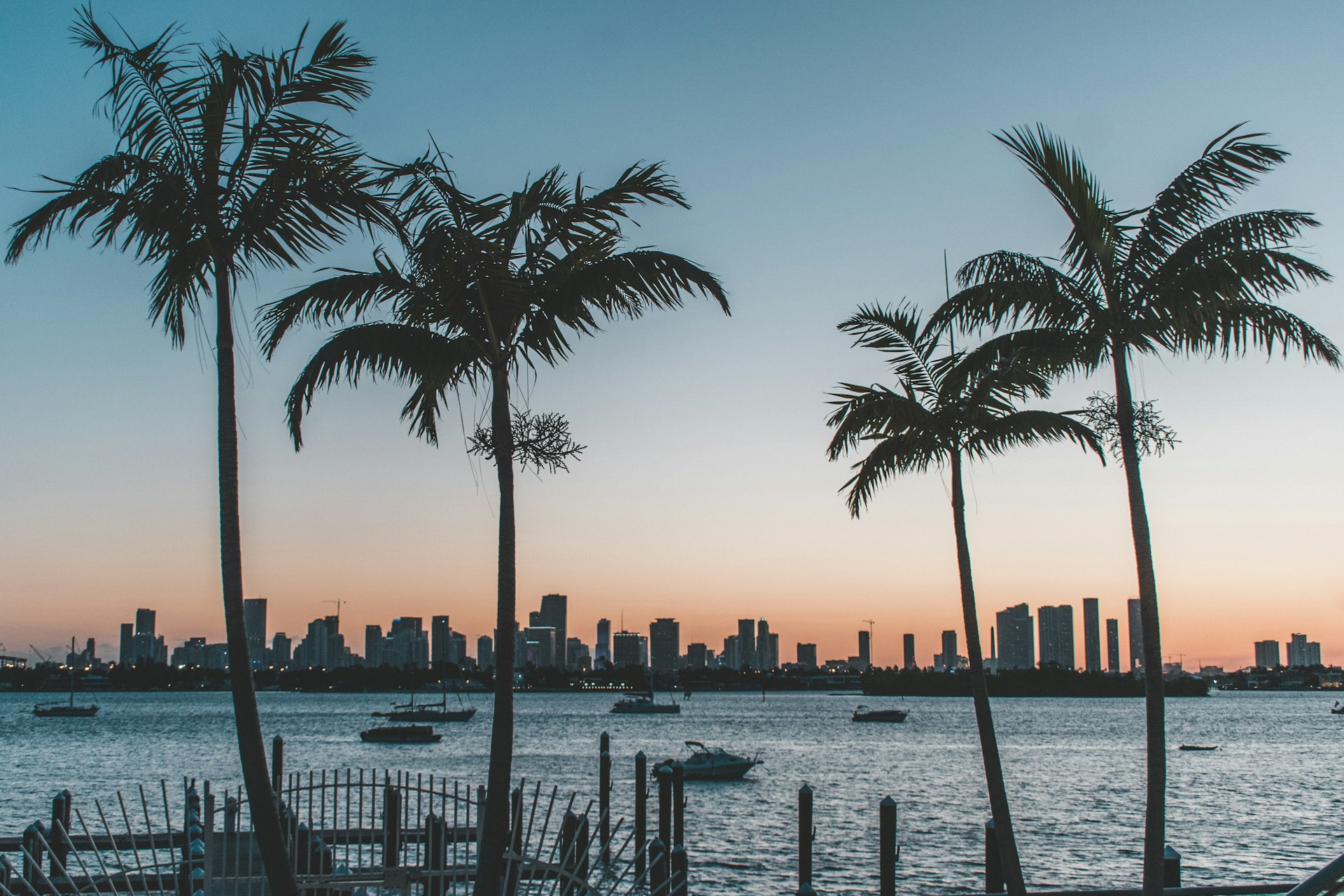
Miami stands out as one of the most globally connected cities in the country. If you want cultural diversity, nightlife, business opportunities, and year-round beach weather, Miami delivers all of that. The safest neighborhoods in Miami and the best schools are clustered in certain parts of the metro, so your exact location matters a ton. The catch? Miami is expensive. Housing costs are high, and when you add flood insurance, traffic, and the general cost of living, your budget can get stretched fast. Coral Gables and Pinecrest offer top schools and safety, but you’ll pay for it.
Jacksonville and Northeast Florida for Space and Value
Jacksonville covers more land than any other city in the lower 48, so you get options — from urban living to suburban sprawl. If you want more house for your money, Jacksonville regularly beats Miami, Tampa, and Orlando on price. Northeast Florida, including Neptune Beach and Jacksonville Beach, gives you coastal living without the sticker shock. St. Augustine, just south of Jacksonville, brings a historic vibe and a slower pace that appeals to people wanting real community. For families or remote workers who want to be near a city but not pay city prices, Jacksonville’s worth a serious look.
Southwest Florida for a Slower Pace and Coastal Living
Fort Myers, Cape Coral, Bonita Springs, and Sarasota make up a stretch of Southwest Florida that attracts retirees, remote workers, and families who want a quieter coastal scene. Traffic here is lighter, things feel less rushed, and you get a different pace than Miami or Orlando. Cape Coral has grown fast, offering affordable waterfront homes with canal access. Sarasota, though smaller, punches above its weight with arts, good schools, and a walkable downtown. It’s perfect for people who want quality-of-life perks without the chaos of a big city. Just remember: hurricane risk is real here, so flood zones and insurance costs should be on your radar.
Best Fits for Families, Remote Workers, and Retirees
Where Families Often Focus Their Search
Families moving to Florida usually start with school quality, then look at safety, then commute. The best places to raise a family aren’t always the ones you’d guess. Suburbs like Winter Garden and Winter Park near Orlando, Palm Harbor near Tampa, and Pembroke Pines south of Fort Lauderdale keep getting high marks for schools, safety, and a family-friendly vibe. If you compare Miami’s best school districts to the suburbs, you’ll see the trade-offs: Miami has culture and access, but many families end up in the burbs for better schools and more space at a price they can actually handle. | Area | School Strength | Relative Affordability | Family Amenities | | ————————– | ————— | ———————- | —————- | | Winter Park, Orlando | High | Moderate | Strong | | Palm Harbor, Tampa Bay | High | Moderate | Strong | | Pembroke Pines, Broward | High | Moderate-Low | Strong | | Pinecrest, Miami | Very High | Low | Strong | | Bonita Springs, SW Florida | Moderate | Moderate | Good |
What Remote Workers May Want From a Florida Neighborhood
Remote workers have a different checklist. Without a daily commute, things like lifestyle, internet speed, walkability, and community culture take priority. Florida keeps attracting remote workers from pricier states thanks to the tax breaks and the chance to get more space. The best neighborhoods for remote work often sit just outside the big cities — Dunedin near Tampa Bay, Vero Beach on the Treasure Coast, or even parts of Gainesville. These spots offer good quality of life, reasonable costs, and enough local flavor to keep things interesting without big-city headaches.
When Retirement Priorities Change the Best-Fit Location
Retirees often zero in on Southwest Florida and the Gulf Coast for a reason — warm winters, walkable waterfronts, and good healthcare access all matter a lot. Sarasota, Bonita Springs, and areas around Fort Myers keep popping up in retirement conversations for exactly those reasons. Healthcare access becomes a bigger deal as you age. Being close to a good hospital or specialist network can really boost your quality of life. Retirement communities vary a lot, too — some focus on faith, others on active lifestyles or the arts. Neighborhood-level research is just as important for retirees as anyone else.
What to Know About Popular Neighborhood and Coastal Areas
Urban Neighborhoods With Walkability and Access
Florida isn’t famous for walkability, but a few neighborhoods break the mold. Brickell in Miami has become a real live-work-play area, packed with high-rises, restaurants, and offices. You could actually live here without a car if you wanted. In Tampa, Hyde Park and Harbor Island offer walkable options on a smaller scale. Orlando’s Baldwin Park and Audubon Park also give you parks, shops, and community events within walking distance. These places cost more, but if you value access and lifestyle over square footage, the trade-off might be worth it.
Beach Communities With Lifestyle Appeal and Trade-Offs
Florida’s beach towns get a lot of attention, and for good reason. Clearwater Beach, Fort Myers Beach, New Smyrna Beach, and Daytona Beach all bring that vacation-every-day vibe. But there are real downsides. Flood insurance is expensive, and year-round jobs can be limited, making these areas better for retirees or remote workers than office commuters. Hurricanes are a real risk, too, and recent storms have changed both the insurance market and the practicalities of living on the coast. Always check the flood zone before you get serious about a place.
College and Government Centers With a Different Daily Rhythm
Tallahassee and Gainesville, home to Florida State and the University of Florida, feel totally different from the coastal metros. You’ll find lower housing costs, a younger crowd, and more local culture than you might expect. Tallahassee’s economy relies on government and universities, which keeps things stable even when tourism dips. Gainesville has a strong healthcare sector tied to the university hospital. If you want affordability, a walkable downtown, and a place that feels rooted, these cities deserve more attention.
How to Compare Two Good Options Without Guessing
Build a Shortlist Based on Your Non-Negotiables
Before you can really compare Florida cities or neighborhoods, get clear on your non-negotiables. Maybe it’s a certain school rating, a max commute, a firm budget, or a specific community vibe. Start there. Once you know what you can’t compromise on:
- List every area that checks all your must-haves.
- Rank the other factors by how much they matter to you.
- Compare your shortlist just on those ranked factors.
- Cut any option that fails two or more of your secondary priorities.
- Visit your top two or three picks in person before making a final call. This way, you’ll avoid getting swayed by pretty photos or hype. A place might look perfect online but miss the mark on something that matters every single day.
Look Past City Reputation to Neighborhood Reality
City reputations usually come from averages and highlights, not the details. Jacksonville really is affordable, but that doesn’t hold true for every ZIP code. Miami gets labeled as expensive, and yeah, the median price backs that up, but you can still find some hidden gems if you look beyond the obvious spots. Reputation just gives you a starting point, not the finish line. The so-called “10 best places to live in Florida” from any list won’t automatically fit your life. What actually matters is whether the neighborhoods in your chosen area line up with your real priorities — the stuff that shapes your day-to-day, not just what’s easy for someone else to rank.
Turn Broad Florida Searches Into a Personalized Decision
When you search for places to live in Florida, you’re really looking for a neighborhood that fits how you want to live. The state is huge, full of trade-offs, and honestly, no generic ranking nails it. Start by narrowing down the area based on your must-haves, then dig into neighborhood-level info inside that window. SettleSavvy can help with this part of the search. The free platform lets you compare neighborhoods in Florida cities like Miami, Tampa, and Orlando based on what you care about: schools, safety, commute, demographics, housing costs, and more. If you want a real conversation before you book a flight, you can book a free Savvy Consultant call and get advice that’s actually tailored to you.
Frequently Asked Questions
Which Cities Feel Most Family-Friendly When You Compare Schools, Safety, and Weekend Activities?
Suburbs like Winter Park near Orlando, Palm Harbor outside Tampa Bay, and Pembroke Pines by Fort Lauderdale tend to get high marks for school quality, safety, and family activities. Pinecrest near Miami is also strong, though it’s pricier. The best fit really depends on your budget and where your daily life is centered.
If You’re in Your 20s, Where Can You Find Good Jobs, a Social Scene, and a Realistic Rent?
Tampa, Orlando, and Jacksonville stand out for job opportunities, a lively social scene, and rents that don’t break the bank. Gainesville is worth a look if you want lower costs and the energy that comes with a big university.
If You Are in Your 30s or 40s, Which Areas Balance Career Growth, Commute Time, and a Calmer Pace?
Tampa Bay suburbs, especially around St. Petersburg and Clearwater, hit a nice middle ground. Western Orlando suburbs like Winter Garden let you access big employers without the city traffic. Sarasota attracts a lot of people at this stage who want amenities but a slower pace.
How Do You Weigh Hurricane and Flood Risk Against Home Prices So You Do Not Get Surprised Later?
Always check the FEMA flood zone for any property you’re eyeing, not just the general neighborhood. If you’re in a higher-risk flood zone, you’ll need separate flood insurance, which can bump up your monthly costs. Make sure to factor that in when you compare housing budgets.
What Should You Check First: Crime Trends, School Ratings, Politics, or Demographics, and Why Do They Matter for Your Day-to-Day Life?
Start with what matters most to your household. If you have kids, school ratings probably come first. If safety is your top concern, look at crime trends. Politics and demographics shape the community vibe and local services, and over time, those things really do affect your daily experience. Weigh them all together for a fuller picture.
How Can SettleSavvy’s Neighborhood Scoring and Real-Time Data Help You Narrow Down Options Before You Book a Visit?
SettleSavvy matches neighborhoods to your priorities, pulling in data on crime, schools, jobs, housing, demographics, and more, all in one visual map. You can quickly rule out places that don’t fit before spending time or money visiting. It’s free and built for people figuring out their next move.
Making Your Florida Decision With More Confidence
Florida really rewards people who dig into the details. Whether you want a dense city, a quiet beach town, or a fast-growing suburb, you’ll find it here, but the right fit for you won’t show up in a headline. Your priorities, your budget, and your daily life are all unique. Match them to a neighborhood, not just a city, and you’ll feel way more confident about your Florida move. You can use the free neighborhood map to compare Florida spots side by side before hopping on a plane, or chat with a Savvy Consultant who’ll walk you through the trade-offs for your situation.