Safest Places to Live in Florida: How to Choose Beyond a City Ranking
If you are searching for the safest places to live in Florida, you are probably trying to protect an ordinary routine: walking the dog after dinner, parking on the street, getting through storm season without a scramble. Those risks play out at a specific address, not across a whole city. The safest place for you in Florida is a specific address where the risks you care about most stay low, so start with a short list of places and then compare neighborhoods inside them.
That is harder than it sounds. Florida safety lists mix cities of very different sizes, and some per-resident crime rates leave the tourists and seasonal residents who fill these towns for part of the year out of the population count. Some cities report through their own police while others rely on the county sheriff. Storm surge and flooding add a second kind of safety that crime maps never show. Wanting a clear answer is reasonable. The data just takes some sorting.
You will learn how to build a shortlist without trusting a single ranking. You will also see what crime data can and cannot prove, and why two safety maps of the same town can disagree. After that, you can set your own risk priorities, check flood and evacuation zones by address, and narrow your choice to neighborhoods that fit your routine.
How Should You Shortlist the Safest Places to Live in Florida?
Start with five to eight places that fit your job, budget, and lifestyle. Then test each one for safety. A shortlist built that way gives you real options. A list copied from the safest cities in Florida only gives you towns that scored well on someone else’s priorities and someone else’s data year.
Treat Every Name on a Safety List as a Lead
Florida safety lists tend to repeat the same handful of names, and each list builds its ranking its own way. A name that appears often has not been checked against your situation. Note it, then test it the way you would test any other place on your shortlist.
Seasonal population is one reason to slow down. Many Florida towns fill with visitors and part-year residents in winter, so a rate based on full-time residents can look different from what you see on a busy weekend in season. Compare the specific streets you would live on, and visit in more than one season if you can.
Compare Settings, Not Just City Labels
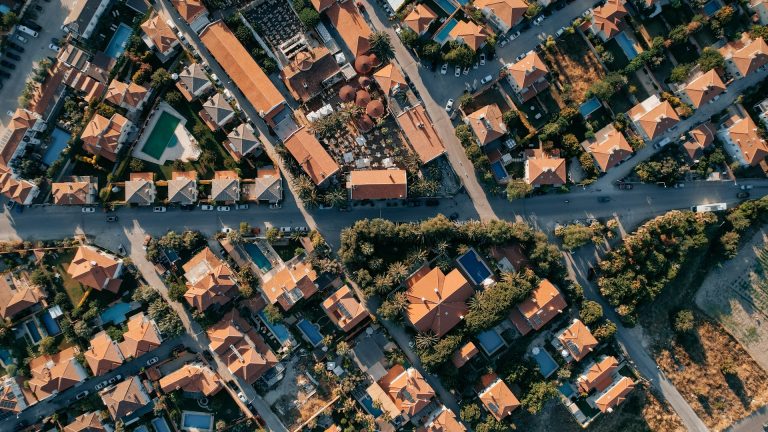
Florida gives you very different kinds of places to compare. A mover focused on safety might weigh settings like these:
- Inland suburbs, where storm surge is not a concern but commute traffic may be.
- Barrier islands and coastal villages reached by a bridge or causeway, where street activity may be low but flood risk and evacuation routes carry more weight.
- Established suburbs near big metros, where housing costs and nearby busy corridors vary block by block.
- Smaller towns, each with its own mix of growth and quiet.
- Larger cities, where neighborhoods differ a great deal from one area to the next.
No setting wins for everyone. If a short commute matters most, an inland suburb near your job may beat a quiet coastal town an hour away. Whatever the setting, a city label covers many different blocks: some back onto busy roads, while others sit beside quiet parks.
What Can Florida Crime Data Tell You?
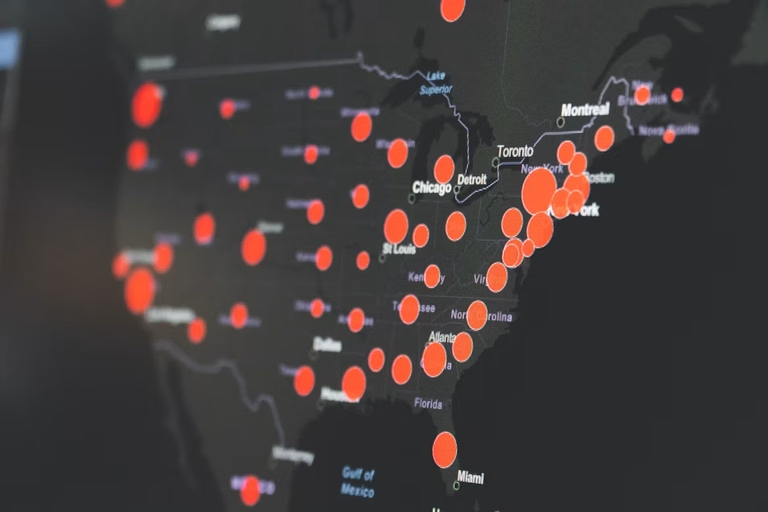
Crime data can show you patterns, trends, and differences between areas. It cannot promise that a place is safe. Use it to ask better questions about public safety, and avoid treating any single number as a final verdict.
Separate Violent Crime From Property Crime
Violent crime and property crime affect your life in different ways. Violent crime includes murder, rape, robbery, and aggravated assault. Property crime covers burglary, theft, and car break-ins.
A combined “crime rate” blends these together. A busy shopping area might show high property crime and low violent crime. That place could feel very different from a street with the reverse pattern.
Ask which risk would change your daily routine. If you park on the street, car break-ins may matter to you. If you walk at night, robbery and assault data may weigh more. Low crime rates in one category do not guarantee low rates in the other.
Understand Reported Incidents and Modeled Estimates
Reported incidents are crimes that someone reported to police and that the agency recorded. They are real events. They also miss crimes that nobody reported.
Modeled estimates use reported data plus other inputs to estimate crime for small areas, such as a block group or ZIP code. They fill gaps between agency boundaries. They are still estimates, so treat them as a guide to patterns.
Reporting habits shape the numbers too. The FBI warns that one city can report more crime than a similar city because its police find more offenses through proactive work. That warning comes in its caution against ranking cities. A higher count does not always mean more crime.
Check the Year, Boundaries, and Reporting Coverage
Before you trust a crime figure, check three details:
- The year. Crime data often runs a year or more behind. A neighborhood with new growth may look different today.
- The boundaries. A city figure, a ZIP code figure, and a block figure can all describe the same address in different ways.
- Coverage. Some agencies report incomplete data in a given year, which can make a place look safer or riskier than it is.
Why Do Florida Safety Sources Disagree?
Florida safety sources disagree because they count different people, use data from different agencies, and draw different lines on the map. Neither source has to be wrong for this to happen. When you look at Florida neighborhood safety data, check how each source builds its numbers.
Per-Resident Rates May Miss Tourists and Seasonal Residents
Most crime rates divide crimes by the number of full-time residents. Florida draws large numbers of visitors and part-year residents, so that math can skew the picture.
Hypothetical example: A beach town has a small year-round population. In winter, visitors and seasonal residents fill its hotels and condos. Crimes involving those visitors still count, but the visitors do not count as residents. The town’s per-resident rate can look high even if the risk to any one person is modest.
The FBI lists population stability, including commuting patterns and transient factors, among the variables that shape a place’s reported crime. For you, this means a high rate in a tourist town needs context. Look at where incidents happen, such as near hotels or busy beaches, compared to the streets you are considering.
City Police and County Sheriffs May Report Separately
In Florida, a city may have its own police department. Unincorporated areas next door are policed by the county sheriff. Some cities hire the sheriff instead of running their own department.
That split shapes the data you find:
- A home with a city mailing address may sit outside city limits and fall under the sheriff.
- A “city” crime figure may leave out nearby unincorporated neighborhoods.
- A sheriff’s figure may cover a huge area that mixes rural roads with busy suburbs.
Before comparing numbers, confirm which agency responds to the exact address. The county property appraiser’s site or local government maps can help you check city limits.
Different Maps May Use Different Boundaries or Scoring Methods
Two crime maps can show the same street in different colors. One may score by ZIP code while another uses smaller areas. One may weigh violent crime more heavily, and another may treat all crimes the same.
Each choice is a method, not a mistake. Read how each map defines its areas and scores. If you want to go deeper on this, see are crime maps accurate for how mapping methods shape what you see.
How Do You Check Safety at the Neighborhood Level?
Check safety at the neighborhood level by naming your top risks first, then comparing exact addresses against them. City averages hide too much. Florida crime rates by neighborhood can swing a lot inside one ZIP code.
Decide Which Risks Matter Most to Your Daily Routine
Write down the moments in your day when safety crosses your mind. Your list shapes which data you look at.
- If you walk a dog at night, look at lighting, sidewalks, and street crime near home.
- If you park outside, check car break-ins and theft.
- If you travel often, burglary patterns may matter more.
- If you have kids biking to school, traffic safety and crossing routes count as safety too.
- If you live in a ground-floor condo, the building’s entry and access points deserve a close look.
This keeps you from chasing one number that does not match your life.
Compare Specific Addresses Rather Than City Averages
Pick two or three homes you are seriously considering. Compare each one’s surroundings within a few blocks. Note busy roads, empty lots, late-night businesses, and parks.
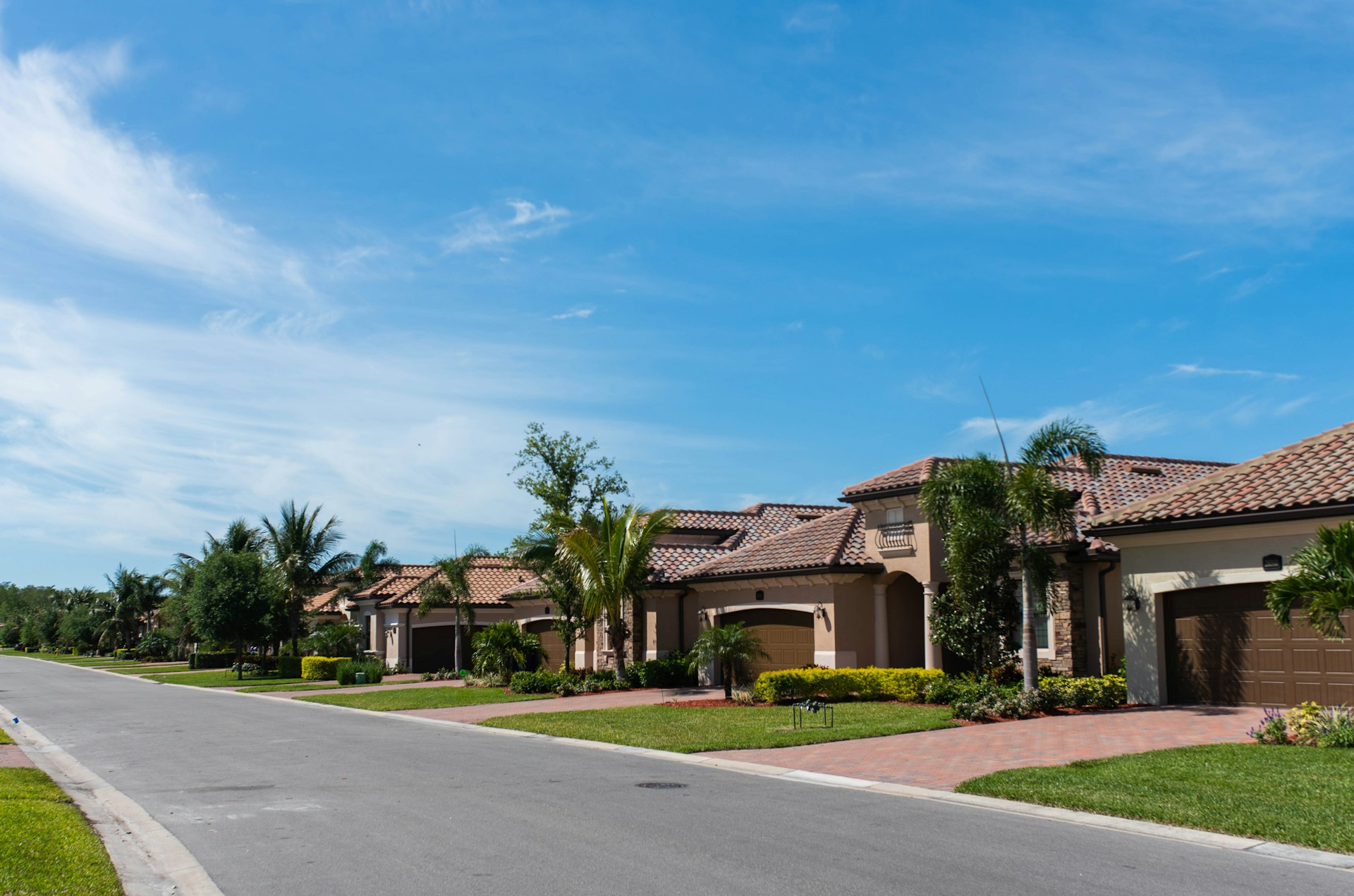
Hypothetical example: Two homes in the same Orlando-area suburb cost about the same. One sits on a quiet loop street. The other backs onto a commercial corridor with heavy traffic. Their city’s crime rate is identical, but their daily experience may differ a lot.
Guides to safe Orlando neighborhoods and safest Miami neighborhoods can help you see this spread. If schools are part of your search, compare Orlando school options and Miami school ratings by address too.
Verify Local Conditions and Ask About Safety Efforts Without Assuming They Work
Data gives you a starting point. Local checks fill in what the numbers miss. Here is how to research safety before moving to Florida:
- Visit at different times. A street can feel calm at noon and loud at 11 p.m.
- Call the non-emergency line. Ask which agency covers the address and how to find recent incident data.
- Ask about community safety programs. Community policing efforts and neighborhood watch programs show that people are engaged.
- Talk to neighbors. Ask about traffic, noise, and what has changed in recent years.
A watch program or a gated entry does not prove an area is safer. Treat these efforts as signs of local engagement, and keep checking the data.
How Does Storm Exposure Change the Safety Decision?
In Florida, storm exposure belongs in your safety decision alongside crime. A home with low crime can still face flood risk, evacuation orders, and high insurance costs. Many lists of the best places to live in Florida skip this part.
Check Flood Zones and Evacuation Guidance by Address
Flood risk follows terrain, not city names. FEMA notes that areas with a 1% or higher yearly flood chance count as high risk. Those homes have at least a one-in-four flood chance over a 30-year mortgage. FEMA also notes that floods do not follow city limits or property lines.
Evacuation zones are a separate check. Florida’s state emergency agency lets you look up your address on its Know Your Zone map. Zones are lettered, with Zone A usually the first to evacuate, and the number of zones varies by county. The same agency notes that homes built after 2002 generally include features that help them resist hurricanes.
Look up both maps for every address on your list. Two homes a mile apart can land in very different zones.
Weigh Crime Concerns Alongside Insurance and Preparedness
A storm-safe home and a low-crime street do not always come together. You may need to choose which trade-off you can live with.
Hypothetical example: One home sits on higher ground inland, near a busier road with more property crime. Another sits on a quiet coastal street in Zone A with higher flood insurance costs. Someone who travels often and worries about break-ins may lean one way. Someone who wants to avoid evacuations may lean the other.
Ask an insurance agent for quotes on each address before you make an offer. Also check the roof age, window protection, and whether the home sits above the base flood elevation.
Safety Is an Address, Not a City Label
Your safest choice in Florida comes from pairing your own risk list with address-level data. A city ranking cannot do that for you. Crime type, reporting agency, season, flood zone, and evacuation zone all shape what “safe” means for one home.
Start with the two or three risks that would change your routine most, then check every address on your list against them. That habit will serve you in any Florida town you consider.
Frequently Asked Questions
What Is the Safest Part of Florida to Live In?
No single region is safest for everyone, because crime and storm risk change from one address to the next. Inland areas avoid storm surge, while some coastal towns report low crime. Compare specific neighborhoods against the risks you care about most.
Which Florida City Has the Lowest Crime Rate?
The answer changes with the data year, the source, and whether rates count tourists and seasonal residents. The FBI cautions against ranking cities by crime figures alone. Use city rates to build a shortlist, then compare neighborhoods inside each city.
How Can I Compare Florida Neighborhoods Before Visiting?
Check crime patterns by address, confirm which police agency covers each home, and look up the flood zone and evacuation zone. Put the results side by side so you can weigh these factors together. Plan a visit for your top two or three choices.
Can a Lower-Crime Florida Area Also Fit a Tighter Housing Budget?
It can. Quieter streets sometimes sit in cities that do not appear on safety lists, and they may cost less. Expect a trade-off, such as a longer commute or fewer nearby amenities.
Where in Florida Is Hurricane Risk Lower?
Inland, higher-ground addresses outside evacuation zones face less storm surge risk, but no part of Florida is free of hurricane wind or flooding. Check each address on FEMA flood maps and the state’s evacuation zone map. Also ask how each home was built to resist storms.