What are the Best Places to Live in Arizona? Choose the Right City for You
Picking the best places to live in Arizona sounds exciting at first. Then you start digging and realize how wildly different each city feels. Phoenix alone has hundreds of neighborhoods. Compare a suburb like Gilbert to a small city like Sierra Vista, and you get a huge range in climate, budget, commute, and culture.
If you are moving to Arizona from another state, you may already have a job lined up or a region in mind. Figuring out which neighborhood actually fits your daily life is a different challenge.
SettleSavvy pulls school ratings, crime data, demographics, and community fit onto one map, so you can compare Arizona neighborhoods in minutes instead of spending weeks on research. The core tool is free.
From here, you can filter Arizona cities by what matters most to your household, comparing options across Greater Phoenix, southern Arizona, and the northern mountain towns to build a shortlist grounded in real data, not generic rankings. Every city has its fans. The goal here is to help you find the one that fits you.
How to Compare Arizona Locations Before You Pick a Home Base
The quickest way to narrow things down is to stack four categories side by side before you tour a single home: school quality, crime rates, local demographics, and average commute time.
Those four filters can rule out more poor-fit cities in an afternoon than weeks of casual browsing.
Arizona covers a surprising range of climates, elevations, and community vibes. A city might look great on paper but still feel off if the summer heat, the commute, or the density does not match your comfort zone.
Start with hard data, then layer in your lifestyle preferences. It keeps the process efficient but still personal.
Use School Quality, Crime, Demographics, and Commute as Your First Filters
School ratings jump all over the place in Arizona. Gilbert and Chandler usually land at the top for public-school scores in the Phoenix area. Central Phoenix and Tucson show a much wider range depending on the neighborhood.
Check district test scores and student-to-teacher ratios before you start comparing home prices.
Crime data tells its own story. Scottsdale reports lower property and violent crime rates per capita than Phoenix, even though they sit right next to each other. Pull up neighborhood-level crime stats early. It is better to know before you sign a lease or make an offer.
Demographics and commute round out your first filter set. If a quick drive to work matters, Gilbert’s average commute runs about 23 minutes while Queen Creek averages 30.
Those extra minutes add up fast, so weigh them against home price and lot size before moving forward.
Match Desert Heat, Elevation, and Daily Lifestyle to Your Tolerance
Phoenix sits at about 1,100 feet and regularly hits 110 degrees in July. Flagstaff, up near 7,000 feet, gets real winter snow. Most people picture Arizona as hot and sunny, but the state runs from low-desert heat to pine-forest cool.
Your daily routine matters here. If you like to run outside, garden, or you have kids who play outdoors, summer temperatures in southern Arizona will shape your schedule from May through September.
Northern communities like Pinetop-Lakeside offer four milder seasons, but you will find fewer job centers and longer drives to city amenities.
Decide which trade-off you can actually live with before you start comparing home prices. Elevation and climate are two things you cannot change after you move.
Decide Whether You Need Urban Access, Suburban Space, or a Smaller Community
Arizona cities fall into three main lifestyle buckets, and figuring out which one fits can save a lot of time:
- Urban access: Phoenix, Tempe, and Tucson bring walkable pockets, public transit, nightlife, and varied dining. Tempe and Tucson are the most walkable cities in the state.
- Suburban space: Gilbert, Chandler, Queen Creek, and Peoria have newer homes, bigger lots, and strong school districts. Commutes to major job centers run about 20 to 30 minutes.
- Smaller community: Sierra Vista, Sedona, and Pinetop-Lakeside offer lower density and lower home prices, but fewer employers and longer drives for specialized services.
Your answer to this question sets the direction for your Arizona search.
Greater Phoenix Options for Buyers Who Want Job Access and Neighborhood Choice
The Phoenix metro is home to about 4.9 million people and offers the widest range of neighborhood choices in the state. Within a 45-minute drive, median home values range from about $430,000 in Mesa to over $736,000 in Scottsdale. Budget and commute go hand in hand here.
Major employers in healthcare, tech, finance, and Arizona State University (ASU) are spread across the Valley. Most suburbs offer a reasonable drive to more than one job center. That flexibility draws relocating families and remote workers year after year.
Phoenix and Mesa for Big-City Access, Variety, and More Price Bands
Phoenix is massive, with 386 neighborhoods, from luxury enclaves in Arcadia to family-friendly Ahwatukee and more affordable stretches on the west side.
Phoenix median household income sits around $62,000, and school quality can change block by block, so digging into neighborhood-level data matters more here than anywhere else in Arizona.
Mesa is the state’s third-largest city, with a population over 530,000 and a median home value near $430,000. Its 22-minute average commute and lower price floor compared to Gilbert or Chandler make it a good fit for buyers who want East Valley access without the higher price tag.
Whichever Valley city you compare, use the same block-by-block approach rather than trusting a citywide average.
Scottsdale for Higher Budgets, Amenities, and Shorter Core Commutes
Scottsdale’s median home value comes in at over $736,000, well above most Valley suburbs. For that premium, you get a 20-minute average commute, lower crime rates, highly rated schools, and walkable dining and arts districts near Old Town.
The city pulls a median household income of about $112,000, a mix of retirees and higher-earning professionals. If your budget can handle it and you want a short commute to central Phoenix or the Scottsdale Airpark, it is worth considering.
Tempe, Chandler, Gilbert, and Queen Creek for Different Suburban Trade-Offs
Each of these East Valley cities brings something a little different. Comparing them side by side makes the trade-offs clearer:
- Tempe: College-town energy near ASU, the highest walkability in the metro, smaller lot sizes, and a younger median household.
- Chandler: Population around 277,000, median home value near $493,000, strong tech employers, and a 22-minute average commute.
- Gilbert: Ranked the top-ranked Arizona city for livability, with a median household income of $123,352 and top-rated schools.
- Queen Creek: Newer construction, bigger lots, a median household income near $139,000, but a 30-minute average commute at the metro’s southeastern edge.
Southern Arizona Options for Buyers Focused on Value, Schools, or Slower Pace
Southern Arizona gives you some of the state’s most affordable entry points without giving up outdoor access or cultural depth. Tucson anchors the region with a metro population over a million.
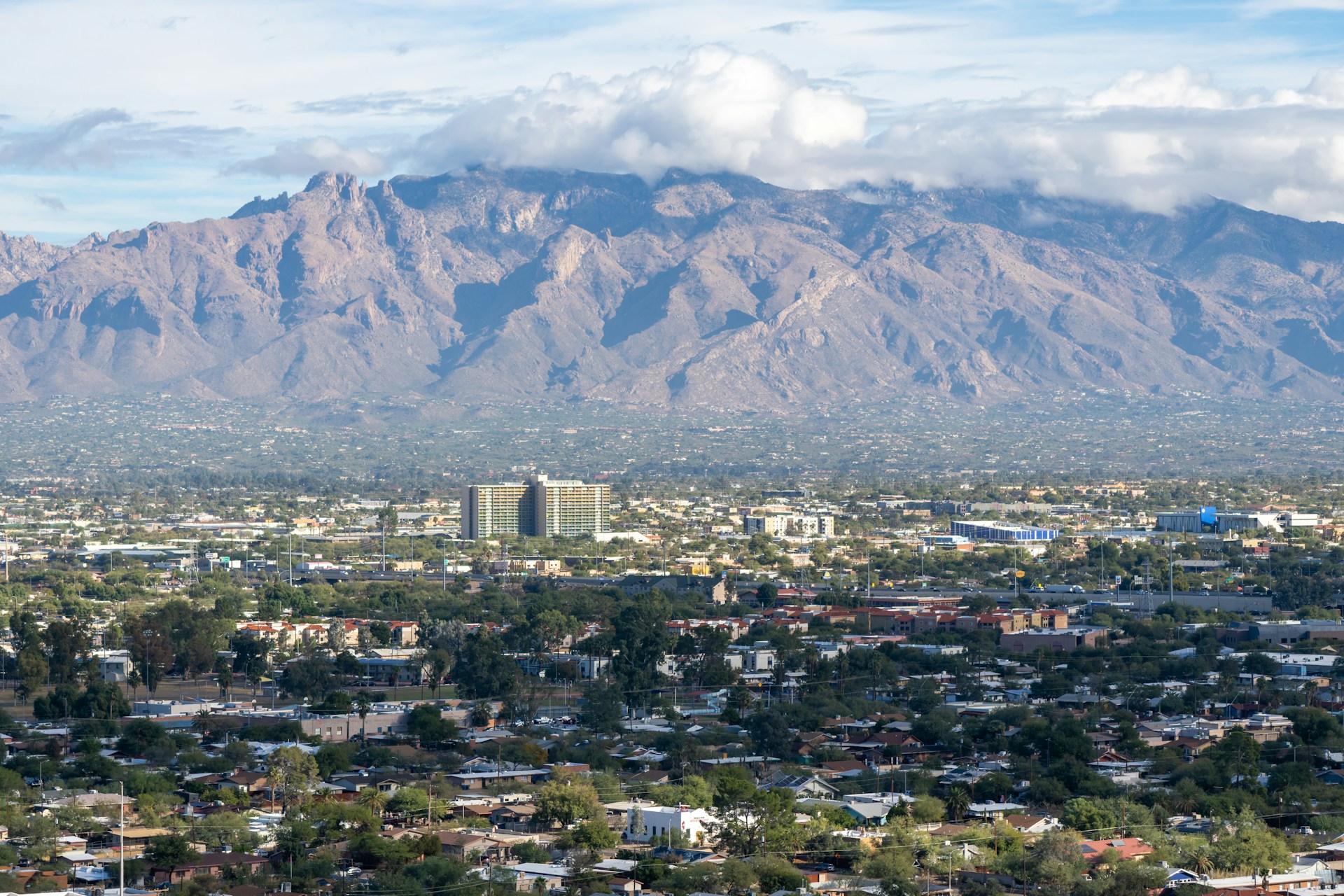
Smaller cities like Oro Valley, Sierra Vista, and Yuma each offer something different for buyers on a budget. The Sonoran Desert landscape here is striking, with Saguaro National Park framing Tucson’s east and west sides.
Home prices across the region sit well below Phoenix metro averages. If value tops your list, it is worth a closer look.
Tucson for Culture, Outdoor Access, and More Affordable Entry Points
Tucson’s median home value sits well below Phoenix’s, and the cost of living runs about 5 to 8 percent lower depending on the neighborhood. The University of Arizona brings a solid cultural and employment base, and Tucson’s food scene even earned a UNESCO City of Gastronomy nod.
Tucson school ratings vary widely by district and neighborhood, so picking the right ZIP code really matters. The Catalina Foothills lean toward higher home values and stronger schools, while midtown and south-side neighborhoods offer lower prices with more mixed results.
If you love hiking, cycling, and year-round outdoor access at a lower cost, Tucson is a strong contender. The flip side is fewer large employers outside healthcare, education, and the military.
Oro Valley for School-Focused Households and a More Residential Feel
Oro Valley, just north of Tucson, consistently stands out for families who put school quality first. Its Amphitheater and Catalina Foothills districts pull higher ratings than most Tucson options.
The community sits at a slightly higher elevation, so summers run a bit cooler than downtown Tucson. It is smaller and more residential, which means less nightlife but also lower crime and a quieter pace. If school quality is your top priority, Oro Valley is a solid pick.
Sierra Vista and Yuma for Budget-Conscious Buyers and Shorter Commutes
Sierra Vista sits near Fort Huachuca and offers a median home value around $262,200 with a 15-minute average commute, the shortest of any ranked Arizona city. Military families and retirees make up a big share of the population, which helps create a stable, community-oriented feel.
Yuma, near the California and Mexico borders, delivers similarly low housing costs. Its economy leans on agriculture, the military, and healthcare. Summer temperatures often top 110 degrees, so you have to be okay with the heat.
Both cities trade urban perks for affordability and simplicity. The savings are real, but expect to drive an hour or two for major metro services.
Northern and Scenic Communities With Different Climate and Lifestyle Trade-Offs
If desert heat is not your thing, northern Arizona brings cooler temperatures, real seasons, and landscapes filled with ponderosa pines instead of cactus. The trade-off is fewer employers, more seasonal tourism traffic, and longer drives to major medical centers.
These communities attract retirees, remote workers, and outdoor fans who put climate and scenery above job access. Knowing the costs and lifestyle differences up front sets expectations.
Flagstaff for Cooler Weather, Elevation, and a College-Town Rhythm
Flagstaff sits at nearly 7,000 feet, so summers stay mild, and winters bring real snow. Northern Arizona University anchors the local economy, along with tourism, healthcare, and outdoor recreation.
The Grand Canyon is only about 80 miles north, which makes weekend trips easy.
Median home prices in Flagstaff run higher than Tucson and close to some Phoenix suburbs. Buildable land is limited by national forest, so inventory stays tight and competition can get fierce.
If you work remotely and want four seasons, Flagstaff delivers a lifestyle you will not find anywhere else in Arizona.
Sedona for Scenery, Higher Costs, and a Tourism-Influenced Market
Sedona’s red rocks draw millions of visitors every year, and tourism shapes almost everything: restaurant hours, home prices, even grocery runs. Median values sit well above the state average, and the full-time resident population is tiny, about 10,000 people.
The job market leans heavily on hospitality, art galleries, and wellness tourism. If you are buying a primary home instead of a vacation spot, remember that dining and service prices often reflect tourist-town rates.
Sedona is gorgeous and works well for retirees or remote workers with outside income, but it is not the best fit if you need a wide range of local jobs.
Pinetop-Lakeside for Buyers Seeking Smaller-Town Space and Four Seasons
Pinetop-Lakeside feels like a quieter, more affordable take on northern Arizona life. At around 6,500 feet, the summers stay pleasant, and residents enjoy hiking, fishing, and even skiing thanks to the nearby Apache-Sitgreaves National Forest.
Homes usually cost less than in Flagstaff, and you will notice bigger lots. With just about 4,500 full-time residents, you will not find much healthcare, dining, or shopping. If you value space, quiet, and nature over convenience, it is worth checking out.
How to Narrow Your List to the Right Neighborhood Fit
After you settle on a region, it is time to get more specific. The real trick is going from city-level data to neighborhood-level detail.
Two cities might look the same on paper, but neighborhoods can feel totally different once you compare commute times, school zones, or the age of each subdivision. A lot of buyers get stuck here. The data gets detailed, and it is tough to line everything up across different sources.
Break it into three simple steps, though, and the process feels much more manageable.
Compare Commute Patterns to Work Hubs, Schools, and Daily Errands
Before you fall for a house, map out your daily routes. A home in Queen Creek might be 30 minutes from a Mesa office when traffic is light, but morning rush hour or road work can turn that into 45.
Run three commute checks: drive to your job, your top school pick, and your nearest grocery store or gym. If each trip is under 25 minutes, that neighborhood scores high for convenience. If one drive takes over 40 minutes, ask whether the price or bigger lot really makes up for the lost time.
Some tools show commute times and neighborhood safety data together, which is a lot easier than flipping between websites.
Look Past Median Home Price to Community Stability and Long-Term Fit
Median home price tells you what buyers pay right now. It does not show whether the area is growing, aging, or turning over quickly. Check year-over-year price trends, the split between owner-occupied and rental homes, and the age range of residents.
Say you find a Litchfield Park neighborhood with a higher median price, but 85 percent of homes are owner-occupied, and prices keep rising steadily. That could be a safer long-term bet than a cheaper area with half rentals and flat prices.
If you have kids, stability really matters. Neighborhoods with heavy turnover can affect schools, parks, and the general feel of the street.
Build a Shortlist Based on Your Household Type, Budget, and Priorities
Different households care about different things. Getting honest about your top three priorities can save you from analysis paralysis.
- Families with school-age kids: Start with school ratings, then look at crime and commute.
- Remote workers: Start with cost of living and lifestyle fit, then check internet reliability and community feel.
- Retirees: Start with healthcare access and property taxes, then weigh climate and walkability.
- Military families: Start with commute to base, then look at school quality and how often neighbors move.
Once you have three to five neighborhoods on your shortlist, you are ready to explore a personalized Arizona map or talk through the options with someone who knows the local market.
Frequently Asked Questions
If Schools Come First, Which Arizona Cities Should Families Compare?
Gilbert, Chandler, and Queen Creek keep landing top school ratings in the Phoenix metro. Gilbert’s average commute is about 23 minutes, and Chandler’s is 22. Down south, Oro Valley’s Catalina Foothills district stands out. Always check district test scores and student-to-teacher ratios before you compare home prices.
Where Can Retirees Find Low Crime, Good Healthcare Access, and Lower Property Taxes?
Scottsdale and Peoria have lower crime, are close to major hospitals, and Arizona does not tax Social Security income. Sierra Vista offers a 15-minute average commute and a median home value around $262,000. It is one of the most affordable spots for retirees who want a quieter place.
Which Cities Are a Smart Fit for Young Adults Who Want Jobs, Nightlife, and Shorter Drives?
Tempe stands out for walkability and sits right next to ASU’s job and social scene. Central Phoenix has a mix of dining, nightlife, and a growing tech industry. Both keep average commutes under 25 minutes for most Valley jobs.
Which Arizona Suburbs Have the Best Safety Stats and Walkable Neighborhoods?
Gilbert, Chandler, and Scottsdale report some of the lowest crime rates in the Phoenix area. For walkability, Tempe takes the lead. If you want both low crime and walkable errands, check out central Scottsdale and downtown Chandler.
Where Can You Find a Lower Cost of Living Without Giving Up Parks, Shopping, and Solid Schools?
Marana, northwest of Tucson, keeps the median home value near $384,000 and gives you access to Tucson’s retail, dining, and parks. Mesa’s median home value is around $430,000, with full east Valley access. Both offer lower monthly costs than most Phoenix suburbs and still have good schools.
Which Areas Offer the Best Mix of Year-Round Weather Comfort and Outdoor Access?
Flagstaff brings all four seasons at nearly 7,000 feet, with summer highs in the 80s and easy access to the Grand Canyon. Pinetop-Lakeside has a similar climate at a lower price. If you do not mind hot summers, Tucson and the Catalina Foothills offer year-round hiking and cooler nights than Phoenix.
Your Next Step Toward the Right Arizona Neighborhood
Arizona has enough variety in climate, cost, and community style that the right city for your household is almost certainly out there. The trick is to filter by what really shapes your daily life, not just price tags or rankings.
SettleSavvy is free and shows school ratings, crime stats, demographics, and commute patterns in one spot. Build your Arizona shortlist and see which areas match your priorities in a few minutes.
If you are not sure where to begin, you can get free consultant guidance and compare neighborhoods with confidence.